Dar es Salaam. Tanzania pushing for adoption of ICT-driven solutions across the transport sector, with officials stressing that the country has every reason to accelerate the use of digital technologies to improve service delivery and enhance safety and reliability.
The remarks were made by the Land Transport Regulatory Authority (Latra) head of ICT, Mr Eliud Kataraihya, on the sidelines of the Sustainable Land Transport Week, following his presentation at the event last week.
Mr Kataraihya said embracing advanced technologies—particularly artificial intelligence (AI) and data-driven systems—was “no longer optional” for countries seeking to modernise their transport systems.
“Rejecting AI is like saying no to the internet in the world we have lived in over the past five to ten years,” he said. “Digital transformation is moving rapidly, and the transport industry must keep pace.”
He noted that Latra was working to ensure that emerging technologies are effectively integrated into Tanzania’s transport operations.
He also extended an open invitation to innovators, researchers and industry stakeholders to collaborate with the authority in developing solutions that support a modern and sustainable transport ecosystem.
“We encourage innovators, including students, to step forward with ideas that can help the sector move to the next level,” he said.
“We will soon establish an innovation hub to support young people and other stakeholders who want to contribute to ICT and innovation for the advancement of e-mobility.”
E-mobility company TRÍ government and relations policy lead, Ms Mercy Kitomari, said integrating AI into electric vehicles would be key to transforming the country’s transport sector and ensuring reliable network communication across Tanzania’s emerging e-mobility systems.
She noted that electric vehicles carry a strong message about Tanzania’s direction of travel towards cleaner mobility, but stressed that AI will be crucial in enabling this transition.
Ms Kitomari also underscored the importance of developing open APIs that allow institutions—such as Tahema and Latra—to connect seamlessly across shared digital platforms, particularly those related to vehicle-charging infrastructure.
She said a functional and transparent charging network must clearly display electricity availability, access points, the number of charging sockets and geographical locations to enhance user planning and efficiency.
Digital platforms enhanced with AI, she added, will significantly improve charging processes and strengthen driver safety by reducing unnecessary manoeuvres.
Ms Kitomari further emphasised the need for digital tools and platforms to be accessible in both Swahili and English, noting that smart vehicles already come equipped with intelligent features that require user-friendly systems.
She urged the public and industry players not to view AI as a luxury, but as a tool that enhances efficiency, safety and environmental protection.
With motorcycle owners spending as little as Sh3,000 to travel 100 kilometres on electric bikes—compared to about Sh25,000 for fuel-powered motorcycles—she said AI-supported e-mobility offers up to 90 percent savings on operational costs while supporting environmental conservation and economic growth.
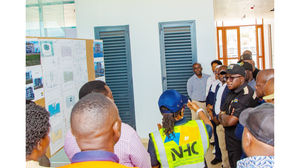
This year’s inaugural Sustainable Transport Week was organised by Latra in collaboration with the Ministry of Transport under the theme “Green transport and innovation.”
Register to begin your journey to our premium contentSubscribe for full access to premium content