The annual presidential pardon is traditionally issued on December 9. Under Article 45(1)(a)-(d) of the Constitution of Tanzania, the Head of State is vested with the authority to pardon prisoners.
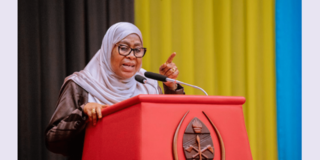
Dar es Salaam. As Tanganyika marks 64 years of independence, President Samia Suluhu Hassan has announced a pardon for 1,036 prisoners—some granted early release and others receiving sentence reductions.
Of those benefiting from the presidential pardon, 22 have been fully released, while 1,014 have had their sentences reduced and will remain in prison to serve the remainder of their terms.
The number of prisoners freed on December 9 2025, mirrors the figure from last year’s Independence Day pardon.
The annual presidential pardon is traditionally issued on December 9. Under Article 45(1)(a)-(d) of the Constitution of Tanzania, the Head of State is vested with the authority to pardon prisoners.
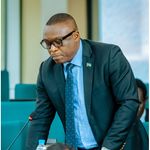
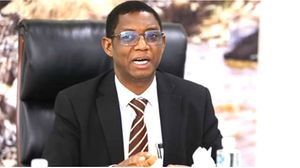
The announcement was issued on Tuesday, December 9 2025, by the Ministry of Home Affairs in a statement signed by the Minister, Mr George Simbachawene.
In his statement, Simbachawene said the government expects those released to refrain from engaging in criminal activity and avoid returning to prison.
According to the statement, those eligible for the pardon include prisoners sentenced to two years or more who have already served at least one quarter of their jail terms.
Under constitutional guidelines, these inmates have had one-sixth of their current sentences reduced, following the standard one-third remission provided for under Section 49(1) of the Prisons Act, Chapter 58.
Others who have benefited include inmates suffering from chronic or terminal illnesses, and elderly prisoners aged 70 or above.
“Others include female inmates who were admitted to prison while pregnant or with infants—whether breastfeeding or not—and who were sentenced to one year or more, as well as inmates with physical or mental disabilities that prevent them from working,” the statement reads.
Prisoners sentenced to preventive detention and who have served at least 10 years in custody are also included.
Those not eligible for the pardon
According to the statement, inmates serving non-custodial sentences, as well as those who breached conditions under the Parole Boards Act, Chapter 400, and were returned to prison, are not eligible.
This also applies to those sentenced under the Community Service Act, Chapter 291, and the Extra-Mural Penal Employment Regulations.
Others excluded from the pardon include prisoners convicted of economic sabotage, abuse of office, money laundering, corruption, and offences related to the trafficking or handling of narcotic drugs, including cannabis.
Also excluded are those convicted of sexual offences, child abduction or theft, impregnating students, or any crimes involving violence against children and human trafficking.
“Prisoners convicted of robbery, armed robbery, robbery with violence, unlawful possession of firearms, ammunition or explosives, or attempting to commit such offences,” the statement adds.
It further lists those convicted of possessing human body parts, offences involving government trophies or poaching.
Others not considered include inmates jailed for attempting to escape from lawful custody, assisting escape, attempted murder, infanticide, terrorism, piracy and cybercrime.
Additionally, prisoners serving a second sentence or classified as repeat offenders, former beneficiaries of presidential pardons, inmates who committed disciplinary offences within the past three years, debtors, those convicted of murder or sentenced to death, and those serving life imprisonment are all excluded.