Cement manufacturers issued eight-day ultimatum to cut prices

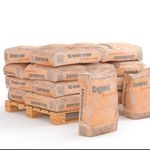
Dar es Salaam. The government has given cement manufacturers eight days to reduce prices and improve supplies following weeks of shortages that have pushed the price of a 50-kilogramme bag to as high as Sh26,000 in some retail outlets.

The directive was issued yesterday after the Ministry of Industry and Trade summoned cement manufacturers to an urgent meeting to address rising prices and supply constraints.


Permanent Secretary in the ministry, Rajabu Salum, said manufacturers had been given until August 28 to implement measures aimed at improving availability and bringing prices down.

“We met the cement manufacturers on August 18 and gave them eight days to ensure prices come down and the availability of the product improves. After August 28, we will call them back for another meeting and assess the situation,” he said.

Mr Salum said the Government would monitor prices and supplies during the period before deciding whether further measures were necessary.

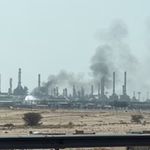
Manufacturers attributed the shortages partly to breakdowns at major clinker-producing plants, while higher fuel and transport costs had increased production and distribution expenses.

“Manufacturers told us that the availability of cement had become a challenge because the major plants producing clinker had broken down. They also said that some distributors increased prices due to rising fuel costs,” Mr Salum said.

Clinker is a key raw material used in cement production.

He identified the Maweni plant in Tanga and Dangote as among the country's major clinker producers, saying machinery breakdowns at both facilities had affected production.

Although other plants also produce clinker, Mr Salum said disruptions at the two major suppliers could have a significant impact on cement availability across the market.

The Government's intervention comes amid growing concern over the impact of rising cement prices on the construction sector, where the material is a key input for housing, commercial buildings and infrastructure projects.

A recent survey of cement prices at manufacturers found that a tonne was selling at an average of Sh321,251 before Value Added Tax (VAT), up from about Sh300,000 in June.

With a tonne equivalent to 20 bags of 50 kilogrammes, the latest factory price translates to about Sh16,063 per bag before VAT, or approximately Sh18,954 including VAT.

However, a The Citizen survey found that some retailers were selling a 50-kilogramme bag for as much as Sh26,000, raising concerns over the gap between factory and retail prices.

National Construction Council (NCC) chief executive Dr Matiko Mturi said higher transport costs, strong demand and shortages in some areas were among factors contributing to rising retail prices.

He said the Government was working with the Ministry of Industry and Trade and other stakeholders to establish the reasons behind the price increases and assess their impact on the construction industry.

“Transport costs and demand are among the factors that can push prices up. When you add transport costs, which have increased, to the demand we are currently seeing, there are several factors that can cause the retail price to rise,” Dr Mturi said.

He said the average price of a tonne of cement in Dar es Salaam had increased by about Sh21,000 since June.

Dr Mturi said the factory price did not fully explain what consumers ultimately paid because transport and distribution costs were added along the supply chain.

He said a bag could leave a factory at about Sh18,900 including VAT, before agents and retailers added transportation and distribution costs.

“If an agent transports the cement from the factory to his shop, he may add Sh1,000 or Sh1,500. The price then reaches Sh20,000 to Sh21,000,” he said.

Consumers purchasing small quantities and transporting them to areas farther from major distribution centres could incur additional costs of between Sh2,000 and Sh3,000 per bag, he added.

Dr Mturi said strong construction activity was also sustaining demand.

“Almost everywhere you go, there is construction taking place. We also have many roads being constructed, and some of them use concrete. So demand is really high,” he said.

He added that transport charges had risen sharply, with some operators increasing their rates by more than the increase in fuel prices.

The Government's August 28 deadline will provide an opportunity to assess whether manufacturers' measures have translated into increased supplies and lower prices for consumers.