Dar es Salaam. As global oil markets brace for further instability, local economic experts are calling for a radical shift in Tanzania's energy strategy, urging fast-tracked natural gas infrastructure and strategic fuel reserves to insulate the nation from unpredictable geopolitics.
The calls come as the Middle East faces a dangerous escalation in hostilities.
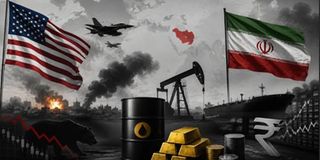
Following the collapse of recent ceasefire negotiations, clashes between US and Iranian forces have intensified, turning the Strait of Hormuz into a focal point of global economic ‘anxiety.’
This strategic waterway, which handles approximately 20 percent of the world’s oil, has seen a 10 percent drop in vessel traffic this week alone, sparking fears of a prolonged supply squeeze.
Speaking exclusively to The Citizen, economics and trade expert, Dr Donath Olomi warns that Tanzania cannot afford to wait, as fuel price hikes inevitably trigger a domino effect across the entire economy.
"When fuel prices rise, the cost of everything else follows suit, thereby impacting the national economy and businesses at large," said Dr Olomi.
To mitigate this, he advised the government to accelerate the development of domestic alternatives.
"I think it is time to fast-track the development of our gas infrastructure. Although we know it cannot happen overnight, it is achievable if prioritised," he said.
Dr Olomi’s outlook on the geopolitical situation remains grim, suggesting that Tanzanians must prepare for a long-term struggle.
"The US-Iran conflict will not end today or tomorrow. Even if they temporarily halt, they will resume later, so the pain regarding fuel for developing countries like us will remain," he explained.
Beyond infrastructure, Dr Olomi proposed immediate fiscal relief by reducing taxes on fuel.
He noted that high fuel taxes contribute significantly to inflation, "stripping people of the little money they have when purchasing goods or services.”
Sharing this sentiment, economic analyst Prof Abel Kinyondo argued that the primary requirement for the nation is to find a definitive way to end fuel dependency.
He pointed out that Tanzania’s current storage capacity is insufficient to weather a major global storm.
"The immediate step should be building large fuel storage tanks that can be used for an entire year, given that the country's current capacity lasts for only three months," advised Prof Kinyondo.
"Although the government has started the process, the pace of constructing these tanks must be accelerated; otherwise, whenever war erupts out there, we will remain in this frantic state,” he added.
Looking toward the long term, Prof Kinyondo suggested that Tanzania should consider abandoning imported fuel altogether, citing the abundance of domestic resources.
"Almighty God has blessed Tanzania with numerous alternative energy sources," he remarked, listing natural gas for industrial use and vehicles, as well as solar, wind, and geothermal energy.
He specifically noted the potential of regions like Singida, Dodoma, and Manyara for wind power, and the country’s vast water resources for hydro-electricity.
"One wonders why these sources are not being utilised; why are we stuck on fuel? Is it someone's lucrative deal?" he questioned.
However, Prof Kinyondo observed that political cycles often hinder these long-term energy goals.
He noted that because politicians typically hold power for five-year terms, they often prefer short-term projects like classrooms or bridges over energy projects that may take 20 years to complete.
"A point must be reached where even the constitution is amended to manage these long-term plans we set for ourselves," reiterated Prof Kinyondo.
"Countries like China and Singapore... did exactly that. So no matter who comes to power, they cannot alter the set plans,” he added.
The urgency of these proposals is underscored by the deteriorating security situation in the Persian Gulf.
Tensions reached a breaking point following a reported attack on the Kuwait Petroleum Corporation (KPC), which targeted critical infrastructure and resulted in casualties and suspended operations.
KPC is a major supplier of oil through government-to-government contracts, and the declaration of ‘force majeure’ on some shipments to Africa has further rattled local markets.
Although Tanzania utilises the East African bulk procurement system, analysts clarify that the country remains vulnerable to these international shocks.
"It is normal for prices to surge during tensions and decline when tensions ease and shipping returns to normal," one energy analyst remarked on anonymity.
"This explains why prices rise and fall rapidly. It is not always a decision made by a single individual within the country,” added the source.
As the conflict shows no signs of abating, the consensus among experts is that while Tanzania cannot fully isolate itself from global price waves, it must strengthen its strategic reserves and pivot toward clean, domestic energy to secure its future.