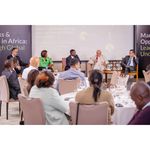
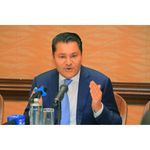
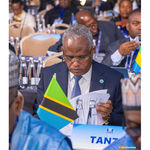
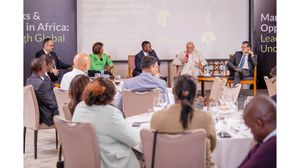
Tabora. Global humanitarian and development organisation Mercy Corps held first in-country poverty graduation ceremony in Tanzania for beneficiaries of its economic inclusion initiatives targeting marginalised communities in refugee settlements and host areas.
The graduation scheduled held on April 14 and 15 involved six cohorts in Tabora Region, the organisation said in a statement yesterday.
The Delivering Resilient Enterprise and Market Systems (Dreams) programme operates in Ulyankulu, Mishamo and Katumba, where long-standing settlement dynamics and limited investment have contributed to persistent livelihood challenges.
The initiative combines market systems development with a poverty graduation model to equip participants with capital, business skills and access to private-sector opportunities.
The programme aims to reach 150,000 people and has so far supported 4,638 households, benefiting more than 72,000 individuals, according to the statement.
In Tabora, interventions have focused on agricultural value chains such as poultry, maize, rice and sorghum, alongside the promotion of clean energy solutions, particularly solar power.
These efforts are aligned with the country’s long-term development blueprint, Dira 2050.
The programme data shows growing self-reliance among beneficiaries, with 45 percent now able to purchase agricultural inputs at full cost without subsidies.
Participants have also undergone financial literacy training in partnership with CRDB Bank, enabling them to engage with formal financial services.
The project is being implemented in Tabora and Katavi regions.
Acting Tabora Regional Administrative Secretary, Asanterabi Sang’enoi, said the initiative complements government efforts to reduce poverty.
“This programme strongly complements government efforts on poverty reduction and eradication.
It aligns national and regional development priorities with practical interventions that have a positive impact at both individual and community levels,” he said.
Deputy programme manager at Mercy Corps Tanzania, Mr Martin Mgallah, said the graduation demonstrates the effectiveness of the model.
“Our objective was to equip participants with the full range of skills and resources required for lasting self-reliance. These graduates have met that standard,” he said.
The graduation comes amid ongoing concerns over persistent poverty levels, with the programme aligned to the National Strategy for Growth and Reduction of Poverty (NSGRP).