Tazara says revitalisation enters active stage as partner mobilises resources

Dar es Salaam. The Tanzania–Zambia Railway Authority (Tazara) said its long-awaited revitalisation programme has entered an active stage following the mobilisation of equipment, technical personnel and other resources by its partner, China Civil Engineering Construction Corporation (CCECC).

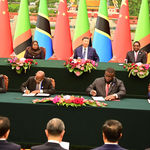
The state-run CCECC) is set to revitalise the Tazara through a $1.4 billion investment for rehabilitation and operations, securing a 30-year concession to run the key trade route connecting Zambia's copper belt to Dar es Salaam port.

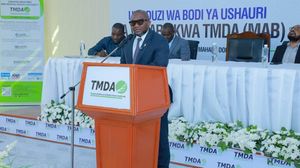
In a statement issued on Wednesday, Tazara Managing Director and Chief Executive Officer, Mr Bruno Ching’andu, said the move marked a critical transition from planning to implementation, laying the groundwork for phased rehabilitation of the ageing railway infrastructure.

“The revitalisation programme, which was officially launched in November 2025, has now moved into its active stage,” Mr Ching’andu said. “Our partner has commenced the mobilisation of equipment, technical teams and logistical support to enable rehabilitation works to proceed.”

He said engineering teams were already on the ground conducting detailed assessments of the railway infrastructure to determine priority areas for intervention.

“These technical audits are focusing on the condition of the track, bridges, culverts, signalling systems and other critical assets,” he said, adding that the findings will guide the sequencing of rehabilitation works, with safety and operational efficiency as key considerations.

According to Tazara, the audits are intended to ensure that limited resources are deployed strategically, targeting sections of the line that pose the greatest operational risk or cause frequent service disruptions.

Mr Ching’andu acknowledged that the authority had faced a challenging year marked by infrastructure deterioration and shortages of rolling stock, factors that affected the reliability of both passenger and freight services.

“This has been a difficult operational period, and we recognise the inconvenience experienced by our passengers, customers and the communities we serve,” he said.

He stressed, however, that the entry into the active stage of revitalisation signalled a turning point for the railway, even as he cautioned that improvements would be gradual rather than immediate.

“The transformation of Tazara will not happen overnight,” he said. “The programme is being implemented in phases, and while there may be temporary service adjustments, the end goal is a safer, more reliable and predictable railway.”

The revitalisation programme aims to restore Tazara’s role as a key regional transport corridor linking Tanzania and Zambia, supporting passenger mobility, freight movement and cross-border trade.

Mr Ching’andu also commended Tazara staff for maintaining operations under difficult conditions and thanked customers for their patience during the transition.

“Our employees have continued to operate the railway under challenging circumstances, and our customers have shown understanding as we embark on this rebuilding process,” he said. Looking ahead to 2026, Tazara expressed optimism that the ongoing mobilisation of resources and phased rehabilitation works would begin to yield tangible improvements in service delivery.

The authority said the revitalisation effort is expected to strengthen operational performance and enhance the railway’s contribution to regional economic integration once completed.