Tanzania’s tourism industry has demonstrated remarkable resilience despite economic turbulence that has shaken many global markets. The sector endured the devastating Covid-19 pandemic, periods of political tension following the October 29, 2025 elections, and the continued rise in fuel costs triggered by geopolitical tensions linked to the conflict in Iran. Despite these pressures, tourism has remained afloat and continues to attract investment and interest.
In recent years, a new trend has emerged across the country. Young Tanzanians are increasingly venturing into the tourism industry, a sector that has traditionally been dominated by foreign nationals, particularly from Europe and North America, where many international visitors originate. This shift reflects a broader push for local ownership and participation in an industry that contributes significantly to national income.
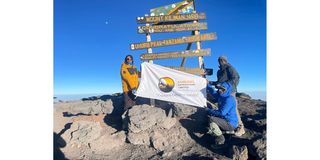
Among the emerging entrepreneurs is Goodluck Laiser, a young Tanzanian who recently climbed to the summit of Mount Kilimanjaro. During that journey, he and a friend unfurled a banner announcing their newly formed company, Embusel Tours. The gesture symbolised both achievement and ambition, marking his entry into one of Tanzania’s most competitive sectors.
Goodluck is one of many Tanzanians motivated to invest in tourism after recognising its long-term potential. His professional background spans private companies and non-governmental organisations. Yet his passion has always remained tied to nature and wildlife. He explains that his interest in tourism grew from a deep personal attachment rather than financial ambition alone.
“I vowed to one day work in this field, not necessarily for money but to fulfil something I have long desired,” he said.
Born into a Maasai community, Goodluck grew up near landscapes rich with wildlife that attract tourists from around the world. Daily encounters with livestock, grazing lands, and open savannahs shaped his understanding of nature from an early age. Such experiences provided him with knowledge that cannot easily be taught in classrooms or training manuals.
Working in development projects further strengthened his understanding of community welfare. He also travelled as a tourist on numerous safaris, observing how tourism businesses operate from within. Through these experiences, he began to notice patterns in how revenue flows through the sector.
He observed that tourism generates income across a long chain of services, yet those at the lower end of the chain often receive smaller rewards. Porters, cooks, drivers, and guides, many of whom are Tanzanians, remain essential to the success of safari operations.
“Unlike foreign investors who come in this sector to purely make 100 per cent profit, as a local, I will have empathy for my people and find ways to give back,” he said.
His outlook reflects a growing movement among local entrepreneurs who seek to promote inclusive growth. Industry analysts note that tourism in Tanzania supports thousands of jobs across hospitality, transport, agriculture, and handicrafts. According to sector estimates, each tourist arrival supports several indirect jobs, particularly in rural areas surrounding national parks.
International markets remain a central focus for most tour operators. Visitors from the United States, Europe, and Arab countries continue to form the largest share of long-haul arrivals. Goodluck understands that established international agencies hold strong advantages due to experience, marketing budgets, and global networks. However, he believes that local knowledge provides a powerful competitive edge.
Having grown up in rural areas, he understands the roads, hills, and valleys that lead to hidden locations rarely visited by conventional tours. He intends to use that familiarity to design unique travel experiences that showcase Tanzania beyond standard safari routes.
“We will show them the authentic Tanzania they have never seen, nothing staged for tourists, all real and natural lives of some of the most fascinating Tanzanian communities,” he said.
He further explained that visitors would experience cultural traditions from communities such as the Maasai, the Chagga, and other groups across the country. Cultural tourism has gained popularity in recent years, as travellers increasingly seek meaningful engagement rather than passive sightseeing. Such experiences often include visits to homesteads, participation in daily chores, and exposure to traditional crafts.
Goodluck believes authenticity remains the defining feature of successful cultural tourism. He notes that some roadside displays are created solely to entertain visitors, while genuine community life continues beyond tourist routes.
“These are real households where people live and are not set up for tourists. Only a local would know and tell the difference,” he said.
He plans to organise visits that allow tourists to interact respectfully with community members and learn about their way of life. Activities may include livestock milking, grazing routines, and traditional cooking practices. He believes the contrast between lifestyles will leave lasting impressions on visitors.
Industry experts note that cultural tourism requires limited capital compared to luxury safari operations. Young entrepreneurs can enter the market using knowledge, relationships, and creativity rather than heavy investment in vehicles or infrastructure. This makes it one of the most accessible segments for new entrants.
For many youth, the question of timing remains uncertain. Some fear that the market is already saturated. Goodluck dismisses such concerns and encourages young Tanzanians to consider ownership roles rather than remaining employees. “The policies are conducive and the time is now,” he said.
He attributes part of his confidence to family experience. His two brothers have worked as professional guides for many years, providing him with practical insights into the daily realities of safari operations.
“I know it’s a very competitive business and I know this is the right time for me to get into this business as well,” he added.
Government support has played a role in encouraging domestic participation. Authorities continue to promote tourism investment among citizens, recognising its potential to create employment and generate revenue. The sector contributes significantly to foreign exchange earnings and supports rural economies through community-based tourism initiatives.
Communities located near national parks often benefit indirectly through improved infrastructure.
Roads, schools, and healthcare services tend to improve as tourism activities expand. Such developments strengthen local support for conservation efforts and sustainable resource management.
Goodluck has also identified specialised services as a future growth area. He intends to focus on providing additional care for elderly travellers and families with young children. These groups often require tailored support during long journeys, including medical readiness and comfortable accommodation.
Tourism remains a service industry built on trust and reliability. Many travellers make payments months before arrival, often dealing with operators located thousands of kilometres away. For emerging companies without overseas offices, building credibility becomes essential.
“It’s true some tourists would feel more comfortable dealing with people who look like them or have offices in their countries,” he explained.
“Some have been scammed too, so with that in mind, we go all out to make sure we build a reputation for us as Tanzanians,” he added.
He expressed confidence in his ability to manage diverse travel plans across mainland Tanzania and Zanzibar. The country offers a wide range of attractions, including wildlife safaris, mountain trekking, marine tourism, and historical excursions. Collaborative partnerships with other young operators allow him to expand service options while maintaining manageable costs.
He has also built networks with fellow entrepreneurs who share vehicles, guides, and accommodation arrangements. Such cooperation strengthens operational capacity and improves customer satisfaction.
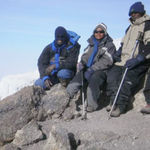
Experience remains one of his greatest assets. Goodluck has climbed Mount Kilimanjaro twice, gaining valuable insights into mountain conditions and visitor expectations. Each climb presents different challenges, from changing weather patterns to physical endurance demands.
“No one experience is equal to another, no matter how many times one summits the highest mountain in Africa,” he said.
He plans to undertake a third ascent later this year. He describes the mountain environment as deeply calming and inspiring.
“The vegetation, the water bodies, and the peace one feels is unmatched,” he said.
His enduring connection with nature continues to shape his ambitions. As he establishes his presence in the tourism market, he hopes to share these experiences with travellers seeking meaningful journeys. His story reflects a wider transformation within Tanzania’s tourism sector, where young entrepreneurs are gradually taking ownership of opportunities once dominated by foreign investors.