Beijing trip unlikely to ease Trump’s problems at home
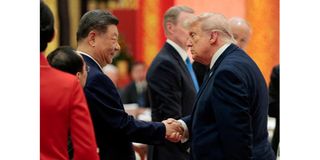
Chinese President Xi Jinping and US President Donald Trump shake hands at a state banquet at the Great Hall of the People in Beijing, China, May 14, 2026. PHOTO | REUTERS
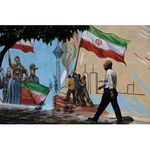
Beijing. President Donald Trump was greeted by flag-waving children, fast-marching bands and flower-lined promenades. But the spectacle was overshadowed by global turmoil triggered by Trump’s war on Iran.
In 2017, a president with low public approval set off for China. Chinese President Xi Jinping welcomed Donald Trump to China with an imperial flourish, including a private dinner at the Forbidden City, home to ancient rulers. The spectacle offered a brief respite from his political problems at home.
Trump doesn’t have that luxury this time, with domestic and foreign crises harder to escape.
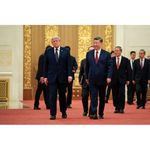
He’s back in Beijing this week for his first trip to the country in nearly a decade. Xi rolled out the red carpet again, clearing Tiananmen Square for a goose-stepping military exhibition, treating him to a visit to a centuries-old temple and vowing to work together to solve the world’s problems.
Amid the hospitality, however, was a blunt warning to Trump over Taiwan. Xi cautioned that a failure of diplomacy could lead to a “very dangerous situation.”
The China trip is a political gamble for Trump, who is seeking agreements to accelerate trade and investment between the countries, including selling more soybeans and Boeing airplanes to China.
Some of the world’s top CEOs came with him to pitch their business. Trump also wants China’s help getting the war with Iran solved.
But any deal with China will do little to address growing political problems at home, where many voters are unhappy about rising costs and look set to punish his Republican Party in the November midterm elections.
As he departed for Beijing on Tuesday, Trump gave his critics an opening to depict a president at odds with voters’ priorities as he pursues a deal with Iran to end a conflict that has roiled global energy prices.
“I don’t think about Americans’ financial situation,” Trump said when asked by a reporter whether Americans’ personal finances were pushing him to strike a deal.
“I think about one thing: We cannot let Iran have a nuclear weapon. That’s all. That's the only thing that motivates me.”
The US-Israeli war with Iran has pushed U.S. consumer prices up by the most in three years and dragged Trump’s approval ratings toward all-time lows.
Trump’s aides are struggling to find policy options to deal with the economic fallout of the war, according to three people aware of the discussions who talked to my colleagues.
The trip to China gives Trump a chance to change the subject from war and gasoline prices above $4.50 per gallon. “President Trump never travels for symbolism alone,” White House spokeswoman Anna Kelly told reporters at a briefing, promising “more good deals” for Americans.
But any deals struck would not quickly ease inflation’s bite from the war with Iran. After the trip, Trump will return to a more difficult reality at home, where high prices remain American voters’ top concern.
One foreign capital likely to watch this week’s events in Beijing closely is Havana.
Trump on Tuesday vowed to “talk” to Cuba after months of heaping threats and pressure on the Caribbean island nation’s government.
He did not elaborate. Like Venezuela and Iran, Cuba has cultivated economic and diplomatic ties with China, and it may worry that Trump’s focus will turn to Havana as he works to root out Beijing’s influence in the Western Hemisphere.
China has called on the United States to immediately end its embargo and sanctions on Cuba. It’s not clear if the topic will come up in Beijing.