Dar es Salaam. African governments have been urged to move swiftly from climate forecasts to concrete action after scientists warned there is a 90 percent chance the continent will experience what could be the strongest El Niño event in more than seven decades.
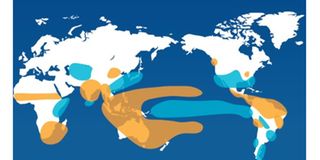
According to forecasts from global, continental and regional climate centres, the Super El Niño is expected to develop later this year, reaching peak intensity between November 2026 and February 2027. If it materialises, it would be the strongest El Niño recorded since 1950.
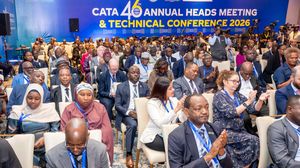
The warning was issued during the Ministerial Consultative Meeting on El Niño Preparedness and Continental Response, where leaders from the African Union Commission (AUC) said the phenomenon could trigger severe droughts, floods, food shortages, disease outbreaks and humanitarian crises unless countries prepare in advance.
Opening the meeting, the AUC Commissioner for Agriculture, Rural Development, Blue Economy and Sustainable Environment, Mr Moses Vilakati, said decisions taken in the coming months would determine how effectively Africa protects lives, livelihoods and economies.
“We are presented not only with a warning of significant climate risks, but also with a unique opportunity to demonstrate Africa’s readiness, unity and leadership in confronting them,” he said.
Mr Vilakati said Southern Africa is expected to face prolonged droughts, while parts of East, Central and West Africa could experience flooding, heatwaves, crop failures and water shortages, placing millions at risk and increasing pressure on national economies.
He said the continent could no longer afford to respond only after disasters occur, arguing that Africa already has the scientific knowledge, institutions and partnerships needed to reduce the impact of climate shocks.
“As the saying goes, forewarned is forearmed. Today, Africa possesses something invaluable—advance warning. What we need now is decisive and coordinated action,” he said.
He urged governments to translate climate forecasts into policies, budgets and preparedness measures that reach communities before disasters strike.
Mr Vilakati recalled the impact of the 2023/24 El Niño, when Southern Africa experienced one of its worst droughts in decades, prompting Botswana, Lesotho, Malawi, Namibia, Zambia and Zimbabwe to declare national disasters.
More than 71 million people across the Southern African Development Community (SADC) were affected, triggering a humanitarian appeal for $5.5 billion.
Agricultural production declined, hydropower generation was disrupted and millions required emergency food assistance, while East Africa experienced severe flooding that displaced communities and damaged infrastructure.
AUC Director for Sustainable Environment and Blue Economy, Mr Harsen Nyambe, said Africa has strengthened its climate observation systems, seasonal forecasting and early warning mechanisms over the past decade.
However, he said climate information is only effective if it reaches farmers, pastoralists, disaster management authorities and health workers in time to guide decisions.
“The question is no longer whether another El Niño will occur. Scientific evidence suggests that it will. The real question is whether Africa will be sufficiently prepared to anticipate, mitigate and respond effectively,” he said and urged member states to strengthen cooperation, invest in resilience and ensure climate warnings are translated into timely action to protect vulnerable communities.
African leaders hope the coming months will mark a shift from reactive disaster response to proactive risk management, ensuring that early warnings lead to early action and save lives across the continent.