Banjul, Gambia. The Bank of Tanzania (BoT) has purchased and accumulated about 28 tonnes of gold worth $3.68 billion (about Sh9.76 trillion at current market prices) over the past 18 months as part of the government's strategy to strengthen foreign exchange reserves, support the value of the Tanzanian shilling, enhance financial sector stability and promote economic growth.
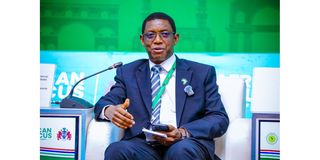
BoT Governor Emmanuel Tutuba disclosed the figures while participating in a panel discussion on central bank gold operations during the 2026 African Caucus meeting of the International Monetary Fund (IMF) and the World Bank in Banjul, Gambia.
The meeting has brought together representatives from 54 African countries to discuss key economic and financial issues affecting the continent.
Mr Tutuba said the gold purchase programme had enabled Tanzania to diversify its reserve assets by holding gold alongside foreign currency reserves, while also promoting formalisation in the mining sector and expanding financial inclusion among mineral traders, particularly small-scale miners.
He said the initiative had enabled more than 4,000 small-scale miners and mineral traders to open bank accounts and access formal financial services.
According to Mr Tutuba, the central bank's policy of offering competitive market prices has encouraged traders and miners to sell their gold directly to BoT.
"We pay gold miners and traders within 24 hours of completing the transaction and at the London gold market price of the day. This has created strong incentives for them to sell their gold to the Bank of Tanzania," he said.
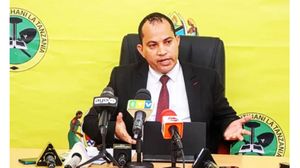
The Tanzanian delegation to the meeting is led by Finance Minister Ambassador Khamis Mussa Omar. Other members include Zanzibar Minister for Finance and Planning Dr Juma Malik Akil, BoT Governor Emmanuel Tutuba and Tanzania's Ambassador to Nigeria, who is also accredited to Gambia, Ambassador Selestine Kakele.
The African Caucus serves as a platform for African governors of the IMF and the World Bank Group to develop common positions on key development priorities, including debt management, climate finance, infrastructure development, poverty reduction, job creation, trade and economic reforms.
Register to begin your journey to our premium contentSubscribe for full access to premium content