Beyond Magufuli: Solving upcountry bus challenges

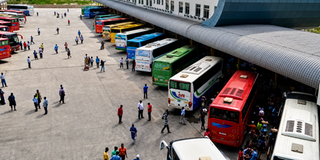
Dar es Salaam. The debate over where upcountry buses should operate in Dar es Salaam requires more than simply moving vehicles from one terminal to another.

A lasting solution must balance the interests of passengers, operators and the Government while easing congestion, improving efficiency and keeping public transport accessible and affordable.

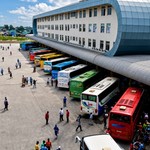
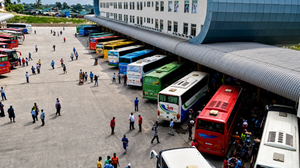
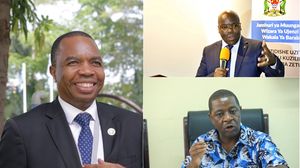
Tanzania Logistics and Transport Association president Alphonce Mwingira said while returning upcountry buses to Magufuli Bus Terminal could provide an immediate solution, the Government should also engage operators on establishing regulated private bus terminals.

He said authorities should enforce rules against roadside bus operations while developing a transition plan that minimises inconvenience to passengers.

“In the immediate term, buses should return to Magufuli. In the medium term, the Government should begin discussions with operators on establishing private terminals, while the long-term solution should focus on integrating these terminals with other public transport systems,” he said.

Under the proposal, operators could be organised into groups, with at least five private terminals established at strategic locations across Dar es Salaam.

Mr Mwingira said the facilities should be fully fledged transport hubs rather than parking areas, accommodating buses, passengers and connecting services such as taxis, bajajis and boda bodas.

Each terminal should have sufficient capacity for the buses it serves, as well as space for safe entry and departure, passenger waiting and luggage handling, he said.

“This approach could provide a middle ground between allowing buses to operate along roadsides and requiring all operators to depend permanently on one central terminal,” he said.

However, concentrating upcountry bus services at Magufuli raises another question: how will passengers living far from the terminal reach it without incurring additional costs and spending more time travelling? Mr Mwingira said the Government should consider linking major transport hubs, including the proposed Mbezi terminal, with commuter rail and Bus Rapid Transit (BRT) services connecting different parts of the city, including Magufuli, Mbagala and Bagamoyo.

Such integration would reduce dependence on private vehicles and make it easier for passengers to move between major transport hubs, he said.

“The issue is not simply where buses should park. It is about creating a transport network that gives the Government control, allows operators to operate sustainably and enables passengers to travel safely, conveniently and affordably,” he said. He said Magufuli Bus Terminal was built to serve the public and should be viewed as part of a wider transport network rather than simply a destination for long-distance buses.

Acting Manager for Road Transport Licensing at the Land Transport Regulatory Authority (Latra), Pateli Ngereza, said the Government had short- and long-term plans to improve Dar es Salaam’s transport system and ensure major bus terminals were accessible.

He said Magufuli Bus Terminal was part of the Government’s long-term transport master plan, which seeks to locate major terminals in strategic areas and connect them with other modes of public transport.

“Under the master plan, bus terminals are located strategically to ensure they are accessible. BRT routes are also being planned and developed to connect with Magufuli Bus Terminal, and these plans are now at an advanced stage,” he said.

Mr Ngereza said the Government also intended to strengthen connections across Dar es Salaam through BRT, ride-hailing services, bajajis and boda bodas.

The objective, he said, was not to move bus services closer to every passenger, but to develop a transport system in which different modes complement one another and provide efficient services.

“The goal is not for upcountry buses to follow passengers to every part of the city. BRT services should increase their buses and routes to Magufuli so that passengers can access the terminal more easily,” he said. A Chanika resident, Ramadhani Ali, said bus operators should focus on improving passenger connectivity rather than simply shifting their operations.

He suggested that operators could introduce smaller vehicles, including Costa buses, to ferry passengers from neighbourhood bus stops to Magufuli, with passengers paying an additional fare where necessary.

The debate comes as the Government moves to enforce a directive requiring all upcountry buses to start and end their journeys at Magufuli Bus Terminal.

On August 19, the director and manager of Tilisho Bus Company were arrested for allegedly violating the directive issued by Dar es Salaam Regional Commissioner Albert Chalamila.

The two were brought to the terminal in handcuffs when Mr Chalamila visited the facility to inspect compliance with his order.

Ubungo District Commissioner Albert Msando said the two had been arrested the previous day after inspectors found a Tilisho bus picking up passengers in Riverside.

According to Mr Msando, the bus was chained, but its owner later unlocked it and drove away.

Mr Chalamila later pardoned the two officials but warned other operators to comply with the directive. He also urged drivers to reject instructions to pick up passengers outside designated terminals.