Businesses in Tanzania feel pinch of Middle East conflict

A street scene in Kariakoo, Dar es Salaam, where traders have reported initial signs of disruption from the US-Israeli war on Iran, which is in its second week. PHOTO | FILE

Dar es Salaam. Eleven days into the US and Israel’s war on Iran, Tanzanian businesses are already feeling the effects.

From flight cancellations to delayed shipments of imported goods, traders are counting the costs of a war taking place thousands of kilometres from home.

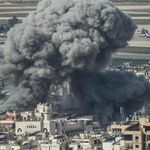
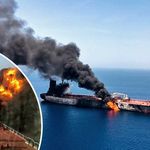
The US and Israel launched attacks on Iran 11 days ago, prompting retaliatory strikes that have destabilised the oil-rich Gulf and wider Middle East. The conflict has driven up global petroleum prices and disrupted airline schedules and logistics worldwide.

At the centre of Tanzania’s trade networks, Kariakoo traders are reporting early signs of disruption.

Chairperson of the Kariakoo Traders Association, Mr Severine Mushi, said the conflict has created logistical challenges for traders passing through the Gulf.

“This conflict is creating serious problems,” he said.

Several traders were stranded in Dubai due to flight cancellations. Some booked with Air Tanzania and were eventually returned home, while others flying with Emirates were only flown as far as Nairobi and had to arrange their own travel to Tanzania.

“About twelve traders were dropped in Nairobi and had to pay for their own journey home. They arrived last night and took buses back,” Mr Mushi explained.

The association is also monitoring cargo shipments to determine whether delays are linked to the conflict or pre-existing logistical challenges.

“Even before the war, cargo was already delayed due to the high number of ships. We are still trying to assess whether the current delays are new or a continuation,” he said.

Traders are also adjusting to the 2026 sea port tariff book, which came into effect on March 8, according to the Tanzania Ports Authority (TPA).

“The new tariffs are very high—some close to 100 percent increases—and will significantly affect business,” Mr Mushi said.

While the immediate impact on Tanzania remains limited, business leaders warn that prolonged conflict could affect visitor arrivals, fuel prices and imported goods.

President of the Tanzania National Chamber of Commerce, Industry and Agriculture (TNCC), Mr Vincent Minja, said the private sector is monitoring developments, particularly global shipping and energy supply routes.

“One of the biggest concerns is the Strait of Hormuz, a strategic maritime passage for much of the world’s oil supply. Any escalation there could lead to fluctuations in oil prices, increasing costs for manufacturing, transport and logistics,” he said.

He added, “Higher energy costs increase production and distribution expenses, which may ultimately affect the competitiveness of Tanzanian goods in domestic and international markets.”

Some businesses have already raised concerns about rising freight charges, insurance premiums and potential fuel price volatility. The chamber is encouraging firms to diversify supply sources, improve inventory planning and strengthen regional trade within the East African Community (EAC) and the African Continental Free Trade Area (AfCFTA).

Tourism sector monitors flight disruptions

Tanzania’s tourism sector, a key foreign exchange earner, is also watching the situation closely.

In the year ending January 2026, travel receipts reached $3.96 billion, with 2,289,867 international arrivals. In Zanzibar, arrivals rose to 100,216 in January 2026, a 19.2 percent increase from 84,069 in January 2025.

Tanzania Association of Tour Operators (Tato) chairman Willy Chambulo said the sector has not yet been significantly affected because the country is in its low tourism season.

“For now, we are thankful that it is low season, so the impact is limited,” he said.

The industry is monitoring Easter travel bookings at the end of March and early April, when the first commercial effects could appear if flight disruptions continue. Many tourists transit through Gulf aviation hubs such as Doha and Dubai.

“A large number of tourists connect through cities like Doha and Dubai. Disruptions there affect travel,” Mr Chambulo said, noting that airlines including KLM and Ethiopian Airlines are seeing higher demand, with ticket prices starting to rise.

Domestic challenges, such as flooding that has damaged roads and limited access to some national parks, are also affecting the sector.

Energy costs under scrutiny

Energy markets could present the most significant economic risk if the conflict continues.

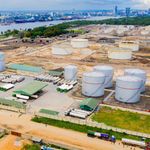
Executive Director of the Tanzania Association of Oil Marketing Companies (Taomac), Mr Raphael Mgaya, said the country’s fuel supply chain is heavily dependent on the Middle East.

“Almost 100 percent of our petroleum products come from the Middle East corridor,” he said.

Despite this, he said Tanzanians should not expect an immediate rise in pump prices, as fuel for March and April had been procured under earlier pricing agreements.

“Cargoes for March and April were purchased earlier, so the immediate impact is limited,” Mr Mgaya said.

However, prolonged conflict could push prices up later in the year. “From May and June 2026, we could see upward adjustments if disruptions continue,” he warned.

For now, Tanzania’s economy has yet to feel the full weight of tensions in the Middle East. But as global supply chains tighten and energy markets react, businesses say the coming months will determine how deeply the conflict affects East Africa’s fastest-growing economy.