The emerging cohort of female professionals is redefining the agency’s impact, moving beyond traditional roles to drive systemic change and sustainable development across the country’s forestry and beekeeping sectors
This week, we are celebrating women leaders at the Tanzania Forest Services Agency (TFS), the government agency responsible for the sustainable management of forest and bee resources under the Ministry of Natural Resources and Tourism.
As the nation marks Women’s History Month, a “fifth wave” of leadership is rising within the Tanzania Forest Services (TFS) Agency.
This emerging cohort of female professionals is redefining the agency’s impact, moving beyond traditional roles to drive systemic change and sustainable development across the country’s forestry and beekeeping sectors.
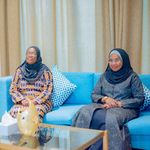
The spotlight is on Johary Kachwamba, the Public Relations Manager at TFS, who exemplifies excellence in the communications field.
Her clear, prompt, and accurate communication skills were evident before, during, and after the preparations for this week’s profiles, demonstrating her ability to deliver results with professionalism.
Alongside her is Neema Mbise, the Planning and Marketing Manager at TFS.
In her role, she focuses on strategic planning, budgeting, resource mobilisation, and performance reporting, particularly regarding financial planning and the implementation of agency priorities.
With over fifteen years of experience in communications, Ms Kachwamba has worked in various capacities, including corporate and marketing communications, media relations management, stakeholder engagement, corporate social investment, and environmental awareness campaigns.
Ms Kachwamba holds a Master’s degree in Mass Communication from St. Augustine University of Tanzania and a Bachelor of Arts in Public Relations and Advertising from the University of Dar es Salaam.
“My leadership journey has been shaped by experiences in communications, conservation, and public service. As Public Relations Manager at TFS, I have led teams, managed campaigns, and built stakeholder relationships,” she says.
She hopes her leadership legacy will inspire and empower the next generation of women in public relations, environmental advocacy, and public service.
Ms Kachwamba aims to leave a lasting impact on conservation and community development by promoting sustainable practices and inclusive decision-making.
She is enhancing the agency’s corporate image and identity to foster positive public perception, increase visibility, and strengthen brand recognition within the sector. Additionally, she facilitates the sharing of testimonials, evidence, key milestones, lessons learned, and best practices from the agency’s strategic plan implementation to showcase achievements and promote transparency.
Her responsibilities also include strengthening and cultivating sustainable mutual relationships with key stakeholders to foster collaboration and support for agency initiatives.
She identifies and implements behaviour-change strategies to encourage the sustainable adoption of positive forestry conservation practices across the country.
“I would like to be remembered as a leader who empowered women and marginalised groups to take on leadership roles, fostered partnerships to drive conservation and development, and promoted transparency, accountability, and integrity in everything we do,” she adds.
Commenting on specific policies and programs within TFS that support women’s empowerment, she notes that the agency implements environmental education and economic empowerment initiatives targeting women.
“I have contributed through targeted communication strategies that amplify these initiatives. The agency ensures inclusion in every strategy, campaign, and exhibition. For instance, during the Sabasaba event, women’s groups are given booths within the TFS pavilion to showcase, promote, and sell forest-related products such as honey,” she explains.
Through corporate social investment and environmental campaigns, she has intentionally ensured that women and girls are not just beneficiaries but active participants and leaders in promoting inclusive and sustainable development.
“TFS has supported and funded several schoolgirls, built dispensaries for communities living adjacent to forest reserves, and constructed wells to reduce the burden on women who previously had to walk long distances to fetch water,” she adds.
Ms Kachwamba, who is also a Mandela Washington Fellowship Fellow, states that the fellowship refined her leadership perspective by emphasising servant leadership and collaborative problem-solving, influencing her approach to communication and conservation advocacy at TFS.
On the other hand, Ms Mbise is reshaping the narrative by demonstrating that inclusion, discipline, and foresight can elevate not just institutions but also women.
She plays a vital role in making decisions that determine how forest and beekeeping resources are managed, financed, and sustained.
Her journey, she says, has been defined by resilience, continuous learning, and an unwavering commitment to public service.
“I have grown my leadership skills by aligning institutional goals with national conservation priorities while ensuring financial sustainability and stakeholder value,” she explains.
Her leadership style blends strategic thinking with a deep dedication to the mission of TFS, demonstrating the powerful impact of effective and inclusive leadership in the agency’s ongoing efforts.