Doctors, nutritionists bust myths surrounding postpartum weight, recovery

Dar es Salaam. For many women, bringing a baby into the world marks the beginning of a joyful, hopeful new chapter filled with family responsibilities.

However, for others, this joy is marred by physical changes and negative societal perception.

Rather than being commended for carrying a pregnancy and bringing life into the world, some women face discouraging remarks, ridicule, and body shaming.

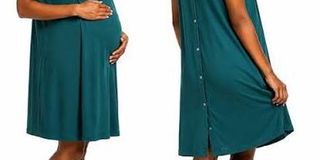
Common physical changes include weight gain, abdominal expansion, stretch marks, and altered body shape.

Often, these natural transformations are met with stigma rather than understanding, leading to severe mental stress, diminished self-confidence, and body dysmorphia.

Health experts stress that physical changes during pregnancy and the postpartum period are natural processes that society must understand and embrace.

Speaking to The Citizen’s sister newspaper Mwananchi, a reproductive health expert from Nubundu Africa, Ms Prosperia Nubundu, explained that upon conception, a mother’s body undergoes immediate physiological adaptation to support fetal development.

She noted that these adaptations often manifest as headaches, acne breakouts, shortness of breath, or fluid retention.

“As the pregnancy progresses, growth hormones cause systemic changes, leading to weight gain, facial swelling, and fluid accumulation in the feet as the body manages the increased workload," said Ms Nubundu.

“As the fetus develops, abdominal organs are displaced upwards towards the chest, causing temporary breathlessness,” she added.

Ms Nubundu emphasised that physical responses vary due to genetic factors, meaning swelling and weight gain differ among women.

“Postpartum recovery depends on body response during pregnancy and delivery, as well as post-delivery care," she explained.

“The first 40 days postpartum are critical. Mothers require a strong support network, adequate rest, body massages, and warm abdominal compresses to encourage uterine involution and assist abdominal muscle recovery,” added Ms Nubundu.

Elevated lipid levels

Obstetrician and gynaecologist, Dr Isaya Mhando, explained that maternal fat storage increases naturally to meet the nutritional demands of the developing fetus.

“Adipose tissue increases to generate nutrition for the infant. This is why women gain weight post-delivery and develop abdominal striae [stretch marks]," said Dr Mhando.

“A husband who criticises his wife for postpartum weight gain acts unfairly, as these physiological changes specifically support infant nutrition,” he added.

He noted that while some women utilise postpartum abdominal binders to support core muscles, their use must be tailored to the delivery method and individual physical condition.

Regarding the resumption of sexual relations after an uncomplicated vaginal delivery, Dr Mhando advised waiting at least three months to allow full anatomical recovery of reproductive organs.

“Men should continue supporting their partners. Women make immense physiological sacrifices during pregnancy, and society must afford them respect,” said Dr Mhando.

Nutritional requirements

Addressing concerns over postpartum weight retention, a nutritionist for Kinondoni Municipality, Ms Janeth Mnzava, warned against severe caloric restriction, advising mothers to consume balanced meals across all six food groups.

She stressed that adequate nutrition is vital for postpartum recovery, maternal energy restoration, and lactation.

“Weight gain begins during conception as the body prepares for lactation. Mothers should not fear weight gain, as motherhood carries physiological demands," she said.

“Rather than self-starvation, mothers require balanced nutrition comprising carbohydrates, proteins, vegetables, fruits, and minimal fats and refined sugars,” added Ms Mnzava.

Furthermore, she noted that proper dietary intake restores depleted micronutrient reserves and fortifies maternal immunity against disease.

“Traditional restrictive diets, such as consuming only porridge, are unnecessary. A breastfeeding mother can eat sweet potatoes, poultry, and leafy vegetables, while maintaining a fluid intake of four litres of water daily, supplemented by milk or fresh juice," said Ms Mnzava.

She clarified that persistent abdominal fat often stems from improper breastfeeding techniques or physical inactivity.

“Lactation burns stored adipose tissue, similar to physical exercise. Breastfeeding every two hours facilitates gradual weight loss," explained Ms Mnzava.

“Fat reserves persist if breastfeeding is infrequent, leading to abdominal retention despite low caloric intake,” she added.

Psychological support

A psychologist at the Mental Hygiene Institute, Mr Ramadhan Masenga, stressed that childbirth requires joint emotional involvement from both parents.

“Men require education regarding postpartum physiological and emotional changes. They must offer active listening, care, and reassurance," said Mr Masenga.

“Unfortunately, a lack of awareness leads some men to express physical dissatisfaction, creating long-term emotional distress for their partners,” he added.

Mr Masenga noted that when women feel uncomfortable with bodily changes, empathetic partner support is essential.

“Managing this transition requires realistic expectations, acknowledging that postpartum physical changes are a natural outcome of childbirth,” he said.

Postpartum exercise

Fitness instructor, Mr Bruno Trainer, advised that postpartum physical recovery relies on combined dietary control and tailored exercise regimens.

“Recovery protocols depend on the delivery method. Women recovering from a caesarean section must obtain medical clearance before commencing exercise, starting with light walking, core stabilisation, and muscle toning," said Mr Bruno.

“Breastfeeding mothers require adequate caloric and high-protein intake to sustain lactation while keeping refined carbohydrates moderate,” he added.

Societal perspectives

A resident of Dar es Salaam, Ms Amina Msofe, recalled the psychological impact of postpartum body shaming by her spouse.

“I remain hesitant about future pregnancies due to the mistreatment I experienced post-delivery. My husband constantly criticised my weight and abdominal changes, causing severe emotional distress," shared Ms Msofe.

Conversely, Mr Juma Ibrahim suggested that while public empathy is necessary, postpartum self-care remains important.

“Some women neglect physical activity post-delivery. While we acknowledge the physical demands of childbirth, maintaining basic health and personal care remains essential,” noted Mr Ibrahim.

Ms Monice John attributed her smooth postpartum transition to an adequate social support system.

“I managed post-delivery physical changes successfully, thanks to proper guidance and a supportive environment, which mitigated the challenges often experienced during recovery,” she said.