Dar es Salaam. The Higher Education Students’ Loans Board (HESLB) has launched a new repayment campaign encouraging graduates to settle their loans through small, flexible payments, as part of efforts to recover Sh920 billion owed by former beneficiaries.
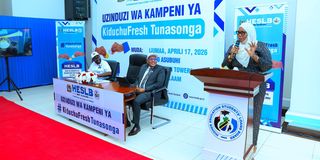
The initiative, dubbed Kiduchu, targets more than 135,000 graduates—many of them working in the informal sector—who have yet to begin repaying their loans.
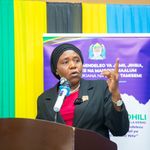
Launching the campaign in Dar es Salaam on April 18, 2026, Deputy Minister for Education, Science and Technology, Ms Wanu Hafidh Ameir, said the government was shifting towards a more flexible and inclusive approach to loan recovery.
“Do not wait until you have a lot of money. Start with the little you have today,” she said, noting that even small contributions play a role in sustaining the fund.
The move comes as the government continues to expand access to higher education.
Between the 2021/22 and 2025/26 financial years, a total of Sh3.6 trillion was disbursed to students in diploma and higher learning institutions, according to the board.
However, the expansion has increased pressure on loan recovery.
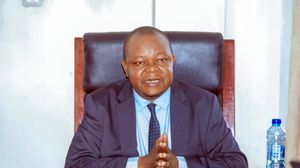
HESLB Executive Director, Dr Bill Kiwia, said total matured debt stands at Sh2.78 trillion owed by over 539,000 beneficiaries. So far, Sh1.84 trillion has been recovered from more than 403,000 graduates, he said.
Recent figures show improved collections. In the third quarter ending March 31, 2026, the board collected Sh175.9 billion, surpassing its target of Sh165 billion. The annual collection target is Sh220.3 billion.
The board said the Kiduchu campaign is designed to support borrowers with irregular incomes by allowing them to make repayments starting from as little as Sh5,000.
The initiative follows earlier campaigns, including Sifurisha, which encouraged lump-sum payments, and Fichua, which urged the public to identify loan beneficiaries who were able but unwilling to repay.
Economist Mr Damas Mkumbo said flexible repayment models are more effective in improving compliance.
“Many borrowers cannot afford large amounts at once, but they can manage small, regular payments. This builds a culture of repayment over time,” he said.
Credit specialist Mr Edwin Urasa said the approach is particularly relevant for those outside formal employment, where automatic salary deductions are not possible.
“This gives people in the informal sector a practical way to meet their obligations,” he said.
The funds recovered are recycled to support new students, reducing pressure on the government and expanding access to higher education.
Register to begin your journey to our premium contentSubscribe for full access to premium content