Experts say the waiting period after the national examination offers an important opportunity for students to build practical skills and gain exposure that will ease their transition into university and working life
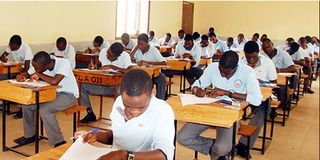
Dar es Salaam. More than 133,000 candidates sat for the 2026 Advanced Certificate of Secondary Education Examination (ACSEE) this month and are now back home awaiting results before joining higher learning institutions.
Experts say this waiting period offers an important opportunity for students to build practical skills and gain exposure that will ease their transition into university and working life.
They argue that the three-month break should not be idle time, but a chance to develop competencies increasingly required across professions.
Among the key skills recommended are digital literacy, including Microsoft Word, Excel, PowerPoint, email writing and basic internet research.
The Country Director at the Regional Psychosocial Support Initiative (REPSSI), Ms Edwick Mapalala, said communication and public speaking skills are equally important as they build confidence and improve professional expression.
She said students can also benefit from internships or volunteer work in institutions such as law firms, courts, NGOs, government offices and private companies, where they can learn discipline, time management and workplace behaviour.
“In addition, learning driving skills is useful as a life skill. Reading books on leadership, self-discipline, communication, biographies, law and politics also helps broaden knowledge and maturity,” she said.
Ms Mapalala added that parents should support their children’s spiritual and personal development, spend time with them and help them reflect on their goals before entering university.
She also encouraged young people to use the period to rest and recover from academic pressure through family time, visits and leisure activities.
“Parents should also involve them in household responsibilities so they can learn discipline, teamwork and independence,” she said.
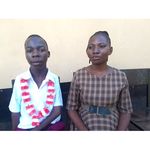
Among the candidates, 18-year-old Kemilembe Rutaihwa said she hopes to study International Relations but is unsure how to access opportunities due to lack of experience.
“I am looking for offices where I can volunteer, but I am not sure I will be accepted without experience. I am asking my mother to help me through her network,” she said.
Dar es Salaam-based psychologist Cosmas Madulu said the idea of students “waiting” after exams is misleading because life does not pause.
He said parents should engage their children in conversations about their ambitions and help them explore opportunities aligned with their interests.
He also encouraged parents with businesses to involve their children in work and pay them for tasks performed, as a way of building financial responsibility and workplace discipline.
“The brain never stops working. The concept of waiting is harmful. Young people should learn both academic and soft skills, which together prepare them for the future,” he said.
Mr Madulu warned that lack of engagement during this period can contribute to frustration and mental health challenges among young people, especially when exam results do not meet expectations.
Another candidate, Jonas Kahumba, said he is applying for a national ID to enable him access services independently and manage his own digital presence.
He also said he plans to explore photography and social media content creation once he acquires a camera.
A Dar es Salaam businessman, Mr Pius Mgonja, said he is weighing whether to support his children’s university education or involve them in his retail business.
“I know many graduates who are still unemployed. I am trying to decide whether to invest in education or help them start businesses early,” he said.