Dar es Salaam. At 5:00 am every morning, Ms Mariam Mwakabungu begins a long commute from her home in Chanika to Amana Referral Hospital, where vulnerable newborn babies rely on her care.
The daily journey requires riding a motorcycle taxi (boda boda) to the bus terminal, followed by a commuter bus (daladala) to reach the facility.
Despite the financial and logistical strain, Ms Mwakabungu says her deep passion for the job keeps her motivated.
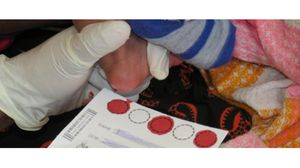
Known fondly around the hospital as 'Mama Kangaroo,' Ms Mwakabungu provides vital care for underweight newborns using the Kangaroo Mother Care (KMC) method, a skin-to-skin contact technique that maintains body temperature, particularly for infants whose biological mothers are critically ill or deceased.
For over three years, she has dedicated herself to this life-saving work.
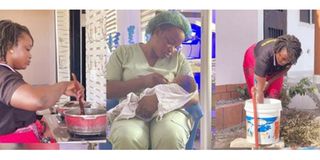
On August 5, 2026, she was seen in the neonatal ward attentively cradling an infant to ensure it received the required warmth.
"Since I started providing this service, I have felt immense peace because it is work I love from the bottom of my heart," Ms Mwakabungu told The Citizen’s sister newspaper Mwananchi.
Her responsibilities extend beyond skin-to-skin contact.
Under professional medical guidance, she feeds the infants, bathes them, and assists mothers in learning proper skin-to-skin techniques.
She also educates parents on neonatal hygiene and trains them to spot dangerous health warning signs in newborns.
Having cared for more than six infants so far, Ms Mwakabungu shared that while most go on to thrive, emotional hardships remain.
She recalled a baby named Pepetua who passed away while in her care, a loss that still pains her.
Conversely, seeing former infants growing up healthily, including one she recently reconnected with at Msimbazi Orphanage, brings her immense joy.
Senior Nursing Officer and Amana Neonatal Ward In-Charge, Ms Mary Machemba, praised Ms Mwakabungu's transition from a volunteer to a full-time employee.
The ward admits newborns aged up to 28 days, many of whom are low birth weight, orphaned, or awaiting specialised transfer to Muhimbili National Hospital (MNH).
Recognising her commitment, the hospital administration formally employed Ms Mwakabungu and facilitated on-the-job training.
She has been trained to help mothers express breast milk, calculate precise feeding volumes, bathe delicate newborns, and identify critical symptoms.
"If she notices an infant facing distress, she immediately identifies the warning signs and alerts the attending doctors or nurses," noted Ms Machemba.
"However, because she lacks formal professional qualifications and certifications, she cannot administer medications or injections. That is why we actively encourage her to pursue formal medical studies," she added.
Ms Mwakabungu had initially planned to return to school after her second child reached two years of age, but the plan was deferred when she became pregnant with her third child.
With her youngest now approaching two, she is re-evaluating options to enrol in evening classes, though balancing work at Amana, night studies, and her long commute to Chanika remains a challenge.
Her personal living conditions improved significantly two years ago when the Doris Mollel Foundation, alongside an anonymous donor, gifted her a house in Chanika, allowing her to move out of a crowded rented apartment.
The property provides ample space for her three children, room for family, and a small farming plot where she cultivates cassava and sweet potatoes.
She also hopes to construct small commercial stalls on the plot to run a retail shop selling domestic goods.
However, the relocation increased her daily travel costs, with round-trip transport expenses reaching up to Sh10,000 per day.
To manage costs, she often walks long distances to the bus station, striving to balance her professional calling at Amana Hospital with her maternal responsibilities at home.
Register to begin your journey to our premium contentSubscribe for full access to premium content