Dar es Salaam. Tanzania’s beekeeping industry is expanding as demand for natural products rises and local firms invest in processing and exports.
Producers are shifting from selling raw honey to supplying processed and branded products for international markets.
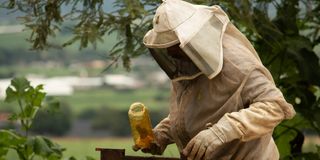
Tanzania International Bee Co. Ltd, which produces the Jambo Asali brand, is among firms involved in this shift. Its chief executive, Mr Musiba Kitema (pictured), said the sector is focusing on quality and market access.
“For many years Tanzania produced honey, but much of the value was captured elsewhere,” he told The Citizen. “What we are doing now is changing honey from a raw commodity into a certified Tanzanian brand that can compete in Europe, the Middle East and beyond.”
Available data shows that Tanzania produced 33,861 tonnes of honey in 2024, but only 951.6 tonnes were exported. Government estimates put annual production potential at 138,000 tonnes.
Analysts say limited processing, fragmented supply chains and inconsistent quality have constrained growth.
Mr Kitema said international buyers require traceability and compliance with food safety standards.
“Today, a buyer in Europe wants a clean product, tested product and traceable product,” he said.
Support from development programmes and financial institutions is also contributing to the sector’s growth, helping firms invest in processing and access markets.
Mr Kitema said his company benefited from the Samia Innovation Commercialisation Fund, enabling it to expand operations and reach export markets.
“That support changed our trajectory,” he said.
Official data show Tanzania earned Sh69.1 billion from honey exports between 2021 and 2024.
A trade analyst, Dr Brian Tweve, said exporting processed honey could increase earnings.
“When you export a finished consumer product, you create more jobs in packaging, logistics and branding,” he said.
Register to begin your journey to our premium contentSubscribe for full access to premium content