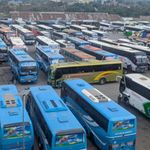
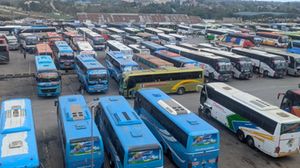
Long-distance buses face shift to Magufuli Terminal amid doubts

Dar es Salaam. Bus operators and transport experts have raised concerns over a directive that all long-distance buses operating in Dar es Salaam should park at the John Magufuli Bus Terminal, warning that the move could increase passengers’ travel costs and create new pressure points in the city’s transport network.

The concerns follow a directive by Dar es Salaam Regional Commissioner Albert Chalamila that all upcountry buses should operate from the Magufuli Terminal as part of efforts to ease congestion in the city centre and improve traffic management.
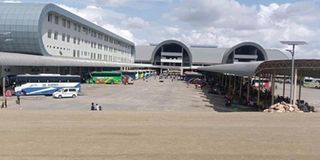
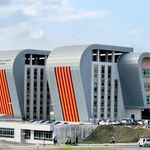
Currently, different bus companies have their respective stations where they operate from, before passing through the main terminal as they start the journey.

However, Mr Chalamila alleged that only six companies have the permit to do so, while majority are operating illegally.

While transport stakeholders support efforts to improve urban mobility, they say the proposal could have unintended consequences if implemented before adequate connections to other parts of the city are established.

Tanzania Bus Owners Association (Taboa) secretary-general Priscus Joseph said operators were not opposed to the proposal but urged authorities to put passengers’ interests first.

“We have received the proposal positively, but the challenge is whether the terminal and supporting transport services are ready to serve all passengers efficiently,” he said.

Mr Joseph said thousands of passengers arrive in Dar es Salaam daily for education, business and employment, with many needing direct access to areas such as Kariakoo, Manzese, Kurasini and higher learning institutions across the city.

Requiring all buses to terminate at Magufuli Terminal would force some passengers to make additional journeys to reach their final destinations, increasing travel time and costs, he said.

He also questioned whether the existing Bus Rapid Transit (BRT) system was adequately equipped to handle passengers travelling with luggage.

“Our buses carry both passengers and their belongings. If passengers are required to transfer to another mode of transport, there must be a practical solution for handling luggage,” he said.

Mr Joseph warned that additional transport costs could also affect traders who rely on public transport to move goods between Dar es Salaam and other regions.

“Every extra cost incurred during transport ultimately affects the price of goods. That burden is eventually passed on to consumers,” he said.

He urged authorities to establish whether Magufuli Terminal has sufficient parking and operational capacity to accommodate all long-distance buses serving the commercial capital.

Instead of relocating all operators, Mr Joseph proposed stricter enforcement against buses operating illegally along roadsides while allowing companies with approved terminals and parking facilities to continue operating from their designated locations.

President of the Tanzania Logistics and Transport Association (TALTA), Alphonce Mwingira, said transport planning should consider passengers’ entire journeys rather than focusing only on where long-distance buses start or end their routes.

“If a passenger arrives from another region and still has to spend a significant amount of money to reach their destination within the city, then the transport system has not fully addressed their needs,” he said.

Mr Mwingira called on the government and the Land Transport Regulatory Authority (Latra) to establish clear standards for bus terminals, covering sanitation, drainage, passenger facilities and parking.

He said improving existing facilities across the city could provide a more balanced approach while maintaining access to transport services.

Transport expert Prosper Nyaki said the proposal should be assessed not only in terms of traffic management but also its economic and social impact on passengers.

He warned that concentrating large numbers of passengers at one terminal could increase demand for feeder transport services around the facility, potentially creating new congestion hotspots.

“Reducing congestion in one part of the city should not result in greater congestion elsewhere,” he said.

Mr Nyaki said improvements to public transport should precede any restrictions on long-distance bus operations.

“If authorities want passengers to rely on connecting transport services, they must first ensure those services are available, affordable and reliable,” he said.

He added that policymakers should balance efforts to improve traffic flow with the need to maintain affordable and convenient transport for residents.

“The goal should be to solve congestion without creating additional burdens for passengers. A sustainable solution requires both efficient transport planning and consideration of the people who depend on these services every day,” he said.