MCL
|
MwanaClick
Home
National
international
More
•••
Sign in
My Account
Personal details
Change password
Purchases
Sign out
Search
Home
News
National
international
Sports
Football
Basketball
Athletics
Swimming
Business
Finance
Enterprise
Boss Talk
OpEd
Editorials
Our Columnists
Guest Columns
Cartoon
Puzzles
Zanzibar
Tourism
Blue Economy
Real Estate
Tech Page
Magazines
The Beat
Smart World
Political Reforms
Market Data
Jobs
Notices
Tenders
Notices
Tenders
Services
MCL
MwanaClick
Tanzania reschedules 2026 national exams over El Niño rains
Meet Generation Alpha, the nation’s true digital natives
Thursday, December 11, 2025
- 2 min read
By
Friday Simbaya
&
Agencies
What you need to know:
By 2035, when the oldest Gen Alpha members turn 25, Tanzania’s education system will face pressure to adopt robotics, coding, AI-assisted teaching, hybrid learning and skills-based assessments, or risk a widening digital gap.
Also Read
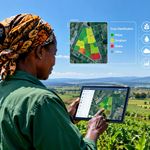
How space technology could reshape Tanzania’s agriculture
Finland offers Tanzania a blueprint for blue-economy innovation
Latest
How space technology could reshape Tanzania’s agriculture
Finland offers Tanzania a blueprint for blue-economy innovation
Young Tanzanian eyes Vision 2050 logistics opportunities
Why Gen Alpha will be a test for higher education
What to do and what not to do when El Niño strikes
National exams brought forward over El Niño threat
In the headlines
View All
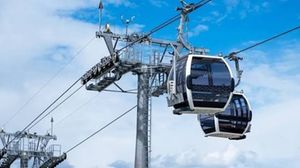
Tanzania moves closer to cable transport services
National exams brought forward over El Niño threat
Lissu claims the State wants him hanged on pure ‘speculation’
What Tanzania stands to gain from UN Security Council bid