The SADC Pooled Procurement Services is expected to be fully operational in the fourth quarter of 2026, marking a major shift in how member states access life-saving health commodities
Dar es Salaam. The Southern African Development Community (SADC) is finalising a regional pooled procurement system aimed at tackling chronic shortages of essential medicines and medical supplies.
The SADC Pooled Procurement Services (SPPS) is expected to be fully operational in the fourth quarter of 2026, marking a major shift in how member states access life-saving health commodities.
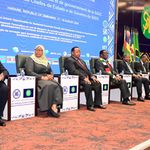
Following a two-day technical meeting in Dar es Salaam last month, officials confirmed that the region will adopt a group contracting model, enabling member states to negotiate lower prices through collective bargaining and secure more reliable supply chains.
“The SPPS is projected to reduce the cost of essential medicines by up to 40 percent, easing pressure on national health systems and improving patient access,” a statement on the SADC website said.
Through the upgraded SADC Medicines Database (SMD), member states will share pricing and supplier information, moving away from isolated negotiations to a unified platform engaging global suppliers.
The system will also ensure that smaller countries have access to specialised medical supplies on the same terms as larger states. Coordinated procurement cycles and shared data are expected to strengthen supply planning, reduce emergency purchases, minimise waste, and improve efficiency.
Tanzania’s central role
Tanzania, designated SPPS host in November 2017, continues to play a leading role in operationalising the initiative. The electronic SPPS (eSPPS), developed by Tanzania’s Medical Stores Department (MSD) in 2018, modernises and streamlines procurement across participating countries.
Speaking at the meeting, MSD director general, Mr Mavere Tukai, emphasised the importance of digital infrastructure in enabling efficient cross-border operations. “We must accelerate the development of policies, regulations, and procurement rules to make the system fully operational,” he said.
Officials noted that Tanzania’s experience in managing large-scale procurement positions it to coordinate regional supply chains and support capacity building among member states.
Challenges and outlook
Technical and regulatory gaps remain, including differences in customs procedures, tariffs, and national legislation. Dr Lamboly Kumboneki, SADC Secretariat Senior Programme Officer for HIV/AIDS, said harmonising these rules is critical for seamless medicine transit across the region.
Preparations are well advanced: Botswana, Eswatini, Malawi, Mozambique, Namibia, Tanzania, Zambia, and Zimbabwe have completed in-country assessments and are synchronising their systems with eSPPS. Sensitisation and capacity-building for the remaining member states are ongoing.
Once fully operational, SPPS will become a cornerstone of a resilient regional health system, enabling all SADC member states to access essential medicines reliably, efficiently, and at lower cost.