Ngorongoro scholarship scheme broadens university funding model
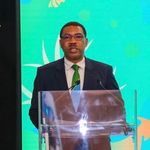
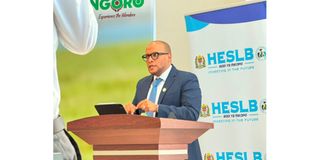
The Higher Education Students’ Loans Board (HESLB) executive director, Dr Bill Kiwia, addresses journalists in Dar es Salaam on Tuesday, August 4, 2026, on a new scholarship scheme for Tanzanian students funded by the Ngorongoro Conservation Area Authority (NCAA). PHOTO | COURTESY
Dar es Salaam. A new scholarship programme launched by the Higher Education Students' Loans Board (HESLB) and the Ngorongoro Conservation Area Authority (NCAA) is emerging as a model for broadening higher education financing in Tanzania through institutional partnerships beyond traditional government funding.
The initiative, unveiled on Tuesday, August 4, 2026, will sponsor 15 students from communities living within the Ngorongoro Conservation Area to pursue university studies in wildlife conservation, forestry, archaeology and tourism.
The targeted disciplines are considered critical to safeguarding Tanzania's natural heritage while producing professionals capable of supporting conservation, tourism and broader economic development.
The programme comes as demand for university education continues to outpace available funding, placing increasing pressure on HESLB, which has long remained the country's principal provider of higher education loans.
While government loans continue supporting hundreds of thousands of students, policymakers increasingly view partnerships involving public institutions, private companies, development partners and philanthropists as essential to expanding access to university education and supporting the ambitions of Vision 2050.
Launching the scheme, HESLB executive director, Dr Bill Kiwia, described investment in higher education as an investment in Tanzania's future workforce.
"We believe that investing in education is investing in human capital. Through this programme, more young people from Ngorongoro will have the opportunity to advance their education, acquire specialised skills and ultimately return to serve their communities and contribute to national development," he said.
Dr Kiwia said delivering Vision 2050 would depend heavily on a skilled workforce, making partnerships such as that between HESLB and NCAA increasingly important.
"The implementation of Vision 2050 depends heavily on skilled human resources. This partnership demonstrates how institutions can become part of producing the workforce that will drive the country's future development," he said.
The first phase has been supported by Sh99 million from NCAA to finance the education of the initial 15 beneficiaries.
Dr Kiwia said the two institutions had completed operational guidelines covering eligibility, applications and funding conditions.
A digital application platform has also been developed ahead of applications opening on August 15, 2026.
The institutions are conducting awareness campaigns across the conservation area to ensure eligible students understand the application process.
NCAA Senior Assistant Commissioner for Conservation, Ms Gloria Bideberi, said education was a strategic investment supporting conservation and community development.
She said the authority intends to ensure every eligible student from the conservation area can access higher education through the scheme.
By the end of the 2025/26 financial year, NCAA had supported more than 15,000 residents in fields including teaching, medicine, engineering, accountancy and conservation.
Operating under the theme, "Sustainable Education for Community Development and Conservation," the scholarship will support Tanzanian students admitted to accredited higher learning institutions nationwide, with priority initially given to conservation-related programmes.