Bukoba. Court officials and other stakeholders have been urged to ensure court processes provide a safe and supportive environment for survivors of sexual abuse, amid concerns that insensitive handling of cases can deepen trauma.
The call was made as the Institute of Judicial Administration Lushoto (IJA), in collaboration with Irish Rule of Law International (IRLI) and with support from the Embassy of Ireland in Tanzania, rolled out a specialised training programme for magistrates, prosecutors and social welfare officers.
The three-day training, which entered its sixth phase yesterday, is being conducted in Bukoba and Sumbawanga, bringing together participants from Kagera, Geita, Rukwa and Katavi regions.
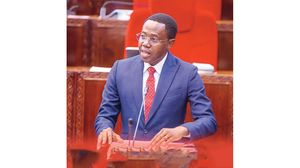
Opening the session in Bukoba, the High Court Judge in Charge for the Bukoba Zone, Immaculata Banzi, underscored the need for judicial officers to prioritise survivors’ emotional safety throughout legal proceedings.
“Sexual abuse and gender-based violence leave profound emotional and psychological wounds on survivors,” she said. “If not handled carefully, the legal process itself can further traumatise survivors. It is therefore our responsibility to ensure they feel safe, heard and respected.”
Her remarks highlight growing recognition within the justice system that courtroom procedures, ranging from questioning techniques to the general environment, can either support recovery or compound harm. In Sumbawanga, the High Court Judge in Charge for the zone, Frederick Kapela Manyanda, warned that survivors may face additional distress if exposed to hostile or insensitive courtroom settings.
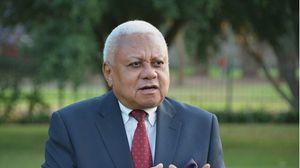
He stressed that justice actors have a duty to safeguard survivors’ dignity before, during and after proceedings, noting that the way cases are handled can significantly influence victims’ willingness to testify.
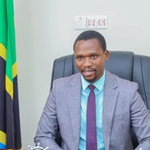
Training coordinator Gloria Shuma said the programme focuses on practical approaches to prevent re-traumatisation.
“We are equipping participants with techniques that ensure survivors are treated with professionalism and care, while also strengthening the quality of justice delivery,” she said.
The initiative seeks to enable survivors to give evidence without fear, in settings that uphold their dignity and emotional well-being.
Similar trainings have been conducted in several regions, including Tanga, Dodoma and Dar es Salaam, as part of broader efforts by the Judiciary of Tanzania to make the justice system more inclusive and responsive to vulnerable groups, particularly survivors of gender-based violence.