Relief as lion terrorising villagers is shot dead

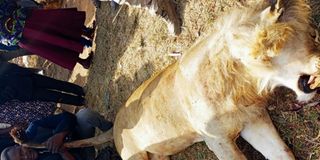
Mufindi. Residents of 10 wards in Mufindi District, Iringa Region, say they can now resume normal activities after a stray lion that had killed livestock and caused fear in their communities was shot dead by wildlife authorities.

The lion had been roaming the district since July 18, 2026, raiding residential areas and preying on livestock, according to Mufindi District Council Environment and Natural Resources Officer Aglibert Ngailo.

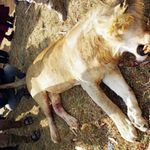
It was killed in Mwikitila Village, Ifwagi Ward, following efforts by the Government in collaboration with the Tanzania Wildlife Management Authority (Tawa).

The affected wards are Nyololo, Matanana, Mbalamaziwa, Malangali, Maduma, Ihowanza, Ifwagi, Ikongosi, Bumilayunga and Itimbo.

Mr Ngailo said the lion killed 12 cattle, 17 goats and nine pigs during the period it roamed the district.

For residents, the losses affected both household incomes and their sense of security.

Pius Kalinga, a resident of Matanana, said livestock keepers lived with uncertainty because they did not know when their animals would be attacked.

“Livestock is our livelihood and the main source of income for our families. When you hear that a lion is near your village, you lose peace of mind because every day you wonder if your animals will be safe or become its next meal,” he said.

He said some livestock keepers took additional precautions when grazing and guarding their animals, particularly in the evening and at night.

Oliva Mgovano, a resident of Mtiri, said the lion’s presence threatened families that depended on livestock to meet basic needs.

“In this area, livestock is how we earn money to pay for our children's school fees, buy food and meet other household needs. When we heard the lion was still wandering around killing cattle, goats and pigs, everyone was worried about their property,” she said.

For Mashaka Fweni, concern about human safety was greater than the loss of livestock.

“We were terrified, especially when we thought about our children. Children walk to school, play or move around the village, and you never knew where the lion was or when it might appear,” he said.

He said parents repeatedly warned their children to be cautious and avoid moving alone in areas considered unsafe.

“It was a double blow—fear for our lives and fear for our economic survival. While worrying about whether your children were safe, you were also worrying about your livestock, which is your livelihood. The killing of the lion has lifted a heavy burden from our shoulders,” Mr Fweni said.

The residents said the incident had also highlighted the need for communities to remain alert and promptly report cases of wildlife entering human settlements.

Mufindi District Council Chairman Castory Masangula urged residents to return to their normal activities following the killing of the lion.

He said the Government would continue working with wildlife authorities to protect people and property and respond when wild animals enter residential areas.

Residents in the affected wards have since resumed their daily activities after more than six weeks of dealing with the threat posed by the stray lion.