Tanga. For generations of Tanzanian students, Shaaban Robert has remained a towering figure in Kiswahili literature. His books continue to be taught in schools and universities, introducing readers to philosophy, morality and the richness of the Kiswahili language.
Yet a visit to his birthplace and final resting place paints a starkly different picture, raising questions about how Tanzania is preserving the legacy of one of its most celebrated literary icons.
Travelling to Msengenyeni hamlet in Vibamba Street, Machui, Tanga District, where Shaaban Robert was born on January 1, 1909, one would expect to find a site that reflects the stature of a man who helped elevate Kiswahili into one of the defining pillars of Tanzania's national identity.
Instead, the site comprises a modest memorial house, an unfinished library building and a gravesite that relatives, residents and Kiswahili stakeholders say does not reflect the contribution he made to the nation. They argue that the condition of these landmarks is evidence that an important chapter of Tanzania's history is slowly fading.
Family fears literary heritage is being lost
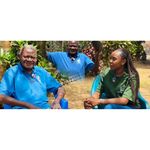
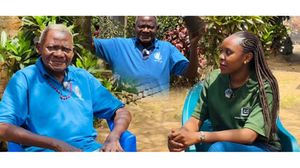
One of Shaaban Robert's grandsons, Mwindau Muhunzi, describes his grandfather as a writer, poet and philosopher whose influence on Kiswahili literature remains unmatched.
Through acclaimed works such as Kusadikika, Kufikirika and Utubora Mkulima, he says, Shaaban Robert championed education, morality, justice and the proper use of Kiswahili.
"Shaaban Robert is regarded as one of East Africa's greatest writers because he enriched and advanced Kiswahili literature. His works continue to be taught and studied to this day," says Muhunzi.
However, he says the family is saddened by the contrast between the respect accorded to Shaaban Robert in classrooms and academic institutions and the condition of the places that preserve his history.
"You can see the foundation stone for a library that was intended to preserve his works, but the state of the building does not reflect the stature of someone who made such an enormous contribution to promoting Kiswahili," he says.
According to Muhunzi, more than a decade has passed since construction of the library began, yet it has never been completed or opened to the public.
"We were delighted when construction started because we believed it would house his books and historical records. But to this day, there is not even a bookshelf inside. The building has been abandoned and continues to deteriorate," he says.
He also believes Shaaban Robert's gravesite has not been accorded the dignity it deserves.
"The surroundings do not indicate that one of the people who contributed immensely to the development of Kiswahili is buried here. Even accessing the site is difficult. We appeal to the government to preserve his legacy so future generations can continue learning from him," he says.
Residents see untapped tourism potential
Residents of Machui believe the area could become a centre for educational and heritage tourism if the necessary infrastructure were developed.
Nyoro Kombo says Shaaban Robert is recognised both in Tanzania and internationally, yet the condition of his birthplace does not reflect that status.
"We were told this building would become a library dedicated to his works, but it remains unfinished. If completed, it could become an important centre for preserving his legacy while attracting students, researchers and other visitors," he says.
Another resident, Kisiwa Mfaki of Msengenyeni, believes completing the library would significantly increase the number of visitors to the area.
"Shaaban Robert is an important part of Kiswahili history, but when you arrive here it is difficult to believe this is where he came from. His legacy can only be preserved if there is genuine commitment to protecting it," he says.
Kiswahili Council of Tanzania says his works continue to inspire
The Executive Secretary of the National Kiswahili Council, popularly known in Kiswahili as Bakita, Konsolata Mushi, says Shaaban Robert's contribution continues to be felt through his writings, which remain rich in African philosophy and continue to educate society.
"At Bakita, we continue to value Shaaban Robert's contribution because his books remain relevant and embody African philosophy. He had remarkable vision in advancing the Kiswahili language," she says.
Commenting on the unfinished library, Tanga Regional Cultural Officer Emanuel Makene says he is not fully informed about the project but believes such an initiative would play an important role in preserving the writer's legacy.
"I do not have full information about the library project, but there are several ongoing initiatives aimed at preserving his legacy, including the Shaaban Robert Festival, which we believe is an important way of keeping his memory alive," he says.
Stakeholders call for lasting initiatives
Stakeholders in the Kiswahili language say honouring Shaaban Robert should go beyond naming schools after him or holding occasional commemorative events.
Retired politician Shekue Pashua says it is unfortunate that institutions outside Tanga appear to celebrate Shaaban Robert more than the community where he was born.
"We need something bigger and more permanent, worthy of a man who elevated Kiswahili language and Swahili culture to the highest standards of morality and philosophy," he says.
Bakari Nauma, who has long advocated for initiatives to honour the literary icon, proposes establishing Shaaban Robert clubs in schools to encourage young people to appreciate literature.
Kiswahili teacher Fatma Hassan Shah recommends establishing a national Shaaban Robert heritage centre combining a museum, library and cultural centre.
"There should be a place where anyone visiting Tanga immediately experiences the presence of the man who helped shape the moral and literary foundations of this nation," she says.
Regional authorities seek sustainable approach
Tanga Regional Commissioner Dr Batilda Burian says Shaaban Robert's writings continue to benefit Tanzanians long after his death.
"When a book continues to shape minds and produce graduates long after its author has passed away, it becomes an enduring legacy. Shaaban Robert planted a tree that will continue bearing fruit for generations," she says.
She says more comprehensive strategies are still needed to recognise individuals who have made significant contributions to education, literature and society.
Currently, she notes, Shaaban Robert is remembered through a primary school that bears his name and a hall at the Tanga Regional Library.
To strengthen those efforts, Dr Burian says her office will work with Mzumbe University, which is building a new campus in Gombero, Mkinga District, to explore the possibility of naming some of its buildings after Shaaban Robert.
She has also proposed establishing the Shaaban Robert Award to recognise individuals who make outstanding contributions to the development of the Kiswahili language.
According to her, the award would provide a formal platform for recognising excellence in language, literature and culture while ensuring that Shaaban Robert's vision continues to inspire future generations.
Although his books continue to live on in libraries, classrooms and the hearts of readers, the story unfolding in Machui suggests there is still a long journey ahead to ensure that the sites associated with Shaaban Robert receive the recognition and preservation they deserve.
The question that remains is whether Tanzania will continue honouring him only through his writings, or whether it will take lasting steps to preserve the physical landmarks that tell the story of his life.
Register to begin your journey to our premium contentSubscribe for full access to premium content