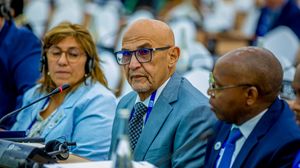
Sh19 billion saved from corruption risks in Tanzania’s public procurement

Prevention and Combating of Corruption Bureau (PCCB) deputy director-general, Ms Neema Mwakalyelye, speaks on Wednesday, August 19, 2026, during the 19th Annual Meeting of the Anti-Corruption and Financial Mismanagement Task Force in Arusha. PHOTO | BERTHA ISMAIL




Arusha. The government has saved a total of Sh19 billion that was at risk of being lost through improper use of public funds in procurement over the past three years.

The funds were recovered through joint efforts by the Prevention and Combating of Corruption Bureau (PCCB) and the National Audit Office of Tanzania (NAOT).

PCCB deputy director general, Ms Neema Mwakalyelye, revealed the figures on Wednesday, August 19, 2026, during the 19th Annual Meeting of the Anti-Corruption and Financial Mismanagement Task Force, which is being held here.

The two-day meeting focuses on strengthening institutional cooperation in identifying beneficial owners of companies, combating corruption and financial mismanagement, and improving accountability in public procurement and management of public resources.

Ms Mwakalyelye said the Sh19 billion was saved between 2023 and 2026 through enhanced cooperation between the two institutions.

She said 470 investigation files had undergone special forensic audits, while 130 audit reports were used in court cases or related legal proceedings.

"Seventy-six cases were successfully concluded with the support of information provided by the Controller and Auditor General (CAG), while 67 cases involved the recovery of funds," she said.

"These achievements demonstrate the importance of institutional cooperation in protecting and recovering public resources," added Ms Mwakalyelye.

She said public procurement is a critical area because it translates government policies and plans into services that directly affect citizens, including roads, schools, hospitals, medicines and water services.

"Public procurement in Tanzania accounts for more than 70 percent of government expenditure. It is therefore an important tool for driving development, but it is also an area exposed to corruption, fraud and bid-rigging risks. That is why we have focused our attention on it," she said.

Opening the meeting, Controller and Auditor General (CAG), Mr Charles Kichere, urged institutions responsible for public procurement, tax collection, anti-corruption efforts and combating money laundering to strengthen cooperation to close loopholes used to conceal the true ownership of companies and facilitate financial crimes.

Mr Kichere said such cooperation should involve procurement authorities, ministries and government agencies, revenue authorities, anti-corruption bodies, financial intelligence units, law enforcement agencies and supreme audit institutions.

He said closer collaboration was necessary to ensure individuals concealing company ownership could not exploit gaps between institutions to engage in activities that threaten public resources.

"Supreme audit institutions should use the information available on beneficial ownership to provide strong audit recommendations and propose measures that can deliver direct benefits to citizens," he said.

Mr Kichere also said Tanzania would continue strengthening laws governing company registration and increasing transparency in corporate ownership, alongside efforts to reinforce anti-money laundering legislation.

Earlier, Public Procurement Regulatory Authority (PPRA) director general, Mr Dennis Simba, said the National e-Procurement System of Tanzania (NeST) had been designed with capabilities to help identify beneficial ownership information of companies participating in government tenders.

Mr Simba said PPRA had identified five key areas of cooperation with other institutions to strengthen transparency and oversight in public procurement.

The meeting brings together key public institutions involved in procurement, auditing, law enforcement and financial oversight, reflecting growing efforts to strengthen accountability and ensure public funds are protected throughout the procurement cycle.