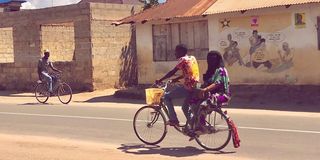
The decline marks a significant shift for a city where bicycle taxis were once a common means of transport, particularly before motorcycle taxis became widespread
Tanga. Passenger transport by bicycle is losing popularity in Tanga as the growing use of motorcycle taxis, commonly known as bodaboda, continues to reshape the city’s transport sector.
The decline marks a significant shift for a city where bicycle taxis were once a common means of transport, particularly before motorcycle taxis became widespread. Athuman Idd, a bicycle taxi operator in Tanga, said about 20 years ago the business had many operators and provided a reliable source of income.
However, he said the number of customers had declined as more passengers turned to motorcycle taxis. He said bicycle transport was once profitable because operators did not need to spend money on fuel, relying instead on their physical strength to transport passengers and goods.
According to Mr Idd, cyclists who were physically fit could carry passengers and heavy loads and earn enough to support their livelihoods.
However, he said some young people had abandoned the business after becoming involved in alcohol and drug abuse, which affected their ability to work and carry passengers or heavy loads.
“Alcohol and drug abuse have also contributed to the decline of this business,” he said.
Passenger Muhina Omari said she still preferred bicycle taxis because they were relatively affordable compared with some other forms of transport.
However, she said the business had been affected by the rapid increase in motorcycle taxis, which have become the preferred choice for many passengers because they get them to their destinations faster. Mechanics also affected
Bicycle mechanic Mustakimu Mussa said the decline in bicycle transport had also affected his business.
He said before the sector began to decline, he could repair more than 15 bicycles a day, but he now repairs about four. Mr Mussa, who started repairing bicycles in 2001, said the decline was largely due to reduced use of bicycles, particularly for passenger transport.
He recalled a time when Anita bicycles were popular and there were numerous bicycle taxi stands across the city.
“Those stands have disappeared. In the past, when you reached Barabara ya Kumi, you could find four or five stands. At Kumi na Tatu, there were three or four, while Ngamiani had six or seven. But motorcycles have taken over. Every young person wants to move forward in life,” he said.
Despite the decline, Mr Mussa said bicycles still had a place in society, including among people who use them for exercise.
However, he said passengers increasingly wanted to reach their destinations quickly, making motorcycles more attractive because of their speed.
Bicycle sellers feel the pinch
Rasuli Yusuph, who has operated a bicycle shop for more than 20 years, said the business had also become increasingly difficult as motorcycle use expanded.
He said he previously sold five or more bicycles a day, but now he may sell just one or, on some days, none at all. “Business has become very difficult compared with the past. This is due to the increase in motorcycles, as people now see motorcycles as more useful than bicycles,” he said.
Mr Yusuph said the shift could change the history of transport in Tanga, a city that has long been associated with bicycle transport.
The experiences of bicycle operators, mechanics and traders point to a broader transformation in Tanga’s transport sector, with the rapid growth of motorcycle taxis reducing the role bicycles once played in moving passengers and goods across the city.