Moshi. Following widespread complaints from road users nationwide, the Tanzanian government has enacted regulations prohibiting the unauthorised installation of sirens and beacon lights on private vehicles, introducing fines of up to Sh300,000 for offenders.
The regulations, titled the Road Traffic (Siren, Sound Signals, Whistles and Warning Flashing Lights) Regulations, 2026, were published in the Government Gazette on June 19, 2026, under the Road Traffic Act, Cap 168, and gained public attention after circulating on social media on Thursday, August 13, 2026.
Issued by the Minister for Home Affairs, Mr Patrobas Katambi, the law restricts the use of sirens and specific beacon light colour combinations to emergency vehicles and seven distinct categories of top government officials.
Installing these devices without a formal permit from the minister is now a criminal offence.
The law targets a growing trend of drivers, particularly those operating luxury SUVs, long-distance passenger buses, commercial trucks, autorickshaws, and motorcycles, arbitrarily fitting VIP lights and sirens to bypass traffic congestion or evade police checks.
Security officials noted that unauthorised beacon lights have also been used as cover to smuggle illicit cargo, such as khat, through checkpoints under the pretense of carrying high-profile dignitaries.
Legal practitioners and transport stakeholders have widely welcomed the measures while urging strict, non-discriminatory enforcement.
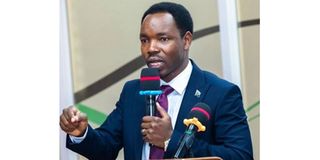
High Court Advocate Peter Kibatala emphasised constitutional compliance, noting that under Article 26(1) of the Constitution, every citizen has a duty to respect the law and that the regulation sets clear boundaries to prevent lawlessness.
Advocate Peter Mshikilwa called for tighter controls on importers, stating that it makes little sense for suppliers to sell these devices without verifying whether the buyer holds an official usage permit.
High Court Advocate, Dr Rwezaura Kaijage, added that the practice had extended even to public transport and motorbikes, making the new regulations a timely intervention.
The 2026 regulations strictly outline the authorised colour combinations and sound signals for specific motorcades and emergency units.
For the President of Tanzania, the designated layout is red, white, and red lights accompanied by a siren, while the Vice President and the President of Zanzibar will utilise red, white, and blue lights with a siren.
The Prime Minister, Deputy Prime Minister, and Second Vice President of Zanzibar are assigned amber, white, and blue lights with a siren.
Blue, white, and blue lights with a siren are designated for the Speaker of the National Assembly, Chief Justices, Deputy Speakers, and heads of defence and security agencies.
Cabinet ministers, permanent secretaries, and the Attorney General will use blue lights with a siren, whereas former presidents are limited to fog lights and sirens without flashing lights.
Police, military, fire brigade, and ambulance vehicles will maintain specific red, blue, or circular red configurations depending on the nature of the emergency, while protocols for visiting foreign dignitaries will be decided jointly with the Ministry of Foreign Affairs.
Under the provisions of the regulations, installing a siren, sound signal, whistle, or warning flashing light without prior written approval from the Minister for Home Affairs is strictly prohibited.
Any person convicted of unauthorised installation faces a statutory fine ranging between Sh50,000 and Sh300,000, a prison sentence of six months to three years, or both penalties combined.
Kilimanjaro Region Road Safety Ambassadors Chairman, Mr Khalid Shekoloa, praised the regulations for empowering security agencies to act against lawbreakers.
Moshi taxi driver Baraka Matemba added that unauthorised sirens had eroded public respect for genuine emergency vehicles, making strict enforcement vital.
Business leaders and citizens, including Dar es Salaam businessman Amani Ngowi and entrepreneur Renalda Mbore, warned that success hinges on consistent enforcement by traffic officers without fearing influential motorists who falsely claim VIP status.