Amid growing regional concern and intensified continental efforts to contain the outbreak, Tanzania has stepped up surveillance and preparedness measures
As Tanzania remains free of Ebola cases, Africa has mobilized nearly Sh2.39 trillion in pledges to combat the rapidly expanding Bundibugyo Ebola outbreak, which has killed 204 people and infected 894 others in the Democratic Republic of Congo (DRC) and Uganda within a month of being declared a continental public health emergency.
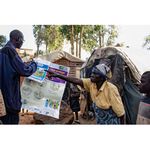
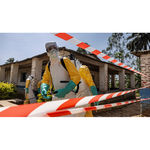
Amid growing regional concern and intensified continental efforts to contain the outbreak, Tanzania has stepped up surveillance and preparedness measures to prevent the virus from crossing its borders. Screening and surveillance at border posts, airports and seaports have been intensified, alongside the issuance of guidelines to healthcare professionals and the public.
Health Minister Mohamed Mchengerwa said that since the outbreak was announced, authorities have investigated 64 alerts reported from 21 regions. Of these, 11 suspected cases met the criteria for further assessment, and all tested negative for Ebola.
According to the latest one-month review by the Africa Centres for Disease Control and Prevention (Africa CDC), less than Sh234 billion of the pledged resources has so far reached affected countries and partners, despite an immediate response plan requiring approximately Sh1.35 trillion over the next six months.
The Africa CDC report identified six major challenges that will determine whether the outbreak can be brought under control.
The first is the absence of a licensed vaccine or therapeutic treatment specifically approved for the Bundibugyo strain of Ebola, leaving health authorities reliant on traditional public health measures such as surveillance, isolation and infection prevention.
Another major challenge is insecurity in eastern DRC, where attacks on health facilities and armed conflict have disrupted response activities and forced temporary closures.
Additional concerns include infections among healthcare workers, persistent weaknesses in contact tracing, ongoing cross-border population movements and delays in the disbursement of pledged financial resources.
The report warned that the response risks falling behind unless surveillance systems improve significantly, noting that “the response cannot win while most contacts remain outside the surveillance system.”
The outbreak has affected 31 health zones in the DRC and one district in Uganda, with the eastern Congolese province of Ituri accounting for 91 percent of all cases and 78 percent of deaths, making it the epicentre of the crisis.
Health officials reported 38 new confirmed cases during the latest reporting period, underscoring concerns that transmission remains active despite intensified interventions.
The outbreak prompted Africa CDC to declare a Public Health Emergency of Continental Security (PHECS) on May 18, days after the disease was confirmed in the DRC and Uganda.
The report highlighted significant achievements during the first month of the response, particularly in surveillance and laboratory capacity.
More than 27,000 diagnostic tests are currently in the pipeline, while 21,600 rapid diagnostic tests have already been delivered.
Diagnostic supplies have been distributed to the DRC, Uganda, South Sudan and Burundi, while six laboratories have been decentralised to improve access to testing.
According to the report, these measures have increased the proportion of samples processed within 24 hours from 23.8 percent to 100 percent, helping to speed up diagnosis and patient isolation.
The response has also been strengthened through the expansion of digital surveillance systems, including the rollout of DHIS-2 tracking systems in affected areas to improve case monitoring and screening at border points.
With cases continuing to rise and transmission chains still active, the report says the success of the next phase of the response will depend on how quickly resources are disbursed, contacts are traced and frontline operations are strengthened