The grant, approved on December 12, 2025, will finance the Enhancing Climate Resilience on Water Resources in Mkondoa Catchment project through the ADF’s Climate Action Window.
Dar es Salaam. Tanzania has secured a $9.38 million (about Sh24 billion) grant from the African Development Fund (ADF) to enhance climate resilience in the Mkondoa Catchment, a critical water resource area increasingly affected by floods and droughts linked to climate change.
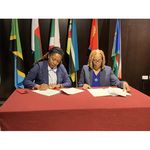
The grant, approved on December 12, 2025, will finance the Enhancing Climate Resilience on Water Resources in Mkondoa Catchment project through the ADF’s Climate Action Window.
The initiative aims to protect vulnerable communities and key infrastructure from recurrent climate shocks while improving water security and livelihoods in central and eastern Tanzania.
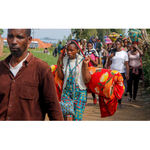
An estimated 774,000 people in Gairo, Kilosa, and Mvomero districts are expected to benefit directly from the project.
Planned interventions include strengthening flood and drought early warning systems, constructing climate-resilient infrastructure such as dikes and check dams, and restoring about 1,200 hectares of degraded watersheds.
The project is also expected to generate employment, with about 3,500 temporary jobs and 1,000 long-term jobs projected during and after implementation.
According to the African Development Bank (AfDB), women and young people will be prioritised for employment opportunities to ensure inclusive benefits.
Implementation will be overseen by the Wami/Ruvu Basin Water Board under the Ministry of Water, with construction works scheduled to commence in January 2026.
Commenting on the approval, the Water Security and Sanitation Division Manager for East and Southern Africa at the AfDB, Assefaw Mecuria, said the investment was critical to Tanzania’s long-term development.
“This project is a strategic investment in Tanzania’s sustainable future,” said Mr Mecuria, adding.
“By building resilience in the Mkondoa Catchment, we are protecting livelihoods, strengthening food security, and fostering inclusive economic growth in the face of a changing climate.”
Beyond community protection, the project will also safeguard the Morogoro–Dodoma Road (B-127), a strategic transport corridor linking agricultural production zones to major markets and facilitating regional trade.
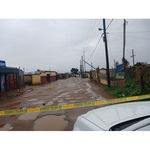
Flooding along sections of the corridor has previously disrupted transport and commerce, resulting in economic losses.
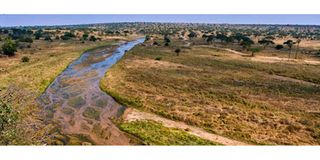
The Mkondoa Catchment is largely located in Morogoro Region, with sections extending into Tanga, Dodoma, and Manyara regions.
Covering an estimated 12,960 square kilometres, it accounts for about 19.3 percent of the wider Wami/Ruvu Basin and forms a central component of the Wami Sub-Basin.
The catchment spans several districts, including Gairo, Kilosa, Kiteto, Kongwa, Morogoro, Mpwapwa, and Mvomero, with Kilosa District occupying the largest share.
However, the Wami Ruvu Basin Water Board (WRBWB) document shows that the project activities will focus on Kilosa, Gairo, and Mvomero districts, where climate-related impacts have been most severe.
Key works will include river training along the Kisangata, Miyombo, and Mkundi rivers in Kilosa District, targeting villages such as Kisangata, Kivungu, and Dumila.
Rehabilitation of existing dikes is planned in Behewa, Kichangani, and Mkwatani areas, while new dikes will be constructed in Mkadage, Kiyangayanga, Rose, and Mbwamaji.
Additional measures include the construction of cattle troughs in selected villages, including Mvumi in Kilosa, Makuyu in Gairo, and Matale and Makuyu in Mvomero, aimed at supporting livestock keepers during prolonged dry spells.
According to the AfDB, the project's expected outcomes include reduced losses from floods and droughts, improved water availability for households and agriculture, and strengthened institutional capacity for climate adaptation at basin and district levels.
In the long term, it is expected to contribute to improved nutrition, poverty reduction, and sustainable economic growth in some of the country’s most climate-vulnerable communities.
The initiative aligns with Tanzania’s national climate adaptation priorities and the AfDB’s broader commitment to supporting climate-resilient development across the continent