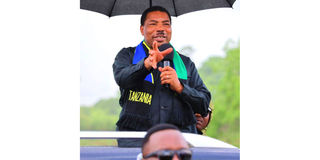
Dodoma. Prime Minister Mwigulu Nchemba said the government plans to ensure every village has a secondary school as Tanzania prepares to extend compulsory education to Form Four.
Dr Nchemba said the policy would require a major expansion of education infrastructure, with more than 16,000 classrooms expected to be built to accommodate rising enrolment.
He made the remarks on Saturday, September 5, 2026, while addressing residents of Bahi District, Dodoma Region, during a working visit to inspect development projects and hear concerns from the community.
“When we say compulsory education will be until Form Four, it means every village should have a secondary school. We are talking about a need for more than 16,000 classrooms,” said Dr Nchemba.
He said the government must prepare early for the additional demand for classrooms, laboratories and libraries to prevent overcrowding and ensure students do not return to studying in inadequate conditions.
The premier said the expansion could require about 8,000 laboratories, alongside additional libraries, as part of efforts to improve the quality of teaching and learning.
Savings to be redirected to public services
Dr Nchemba also called for tighter government spending, directing officials to identify areas where costs can be reduced and redirect the savings to services that directly benefit citizens.
He cited large official entourages and meetings that require officials to travel, saying avoidable expenditure should instead support priorities such as classrooms, laboratories, desks and other essential services.
“Whenever we can make savings, we should direct them to things that affect the daily lives of our citizens,” he said.
Ambulances must have fuel
On healthcare, Dr Nchemba directed authorities to ensure government ambulances have fuel and warned against asking patients or their relatives to raise money to cover ambulance fuel costs.
He said the government had invested substantially in hospitals, health centres, ambulances, medical equipment and health workers, adding that officials must ensure those investments translate into accessible services.
He warned that officials who force patients or their relatives to contribute money for ambulance fuel should face disciplinary action.
He also urged citizens to report officials who deny them services or breach government procedures.
Education official singled out for performance
The Prime Minister commended Bahi District education official Boniface Mwakasole for his contribution to improving education standards.
He said Mr Mwakasole’s work had contributed to notable results, including Chiona Primary School’s performance, which he said had placed the school at the top nationally in primary education.
He said public servants who demonstrate strong performance should be recognised and given greater responsibilities.
“If you want to transfer him, promote him. Give him a region if you want him out of Bahi. If you have not found a region, do not transfer him; leave him here. He has done exemplary work,” he said.
He added that strong performance should speak for itself when it comes to career advancement.
“Someone who does good work does not need lobbying or to ask for a job; the work introduces you,” he said.
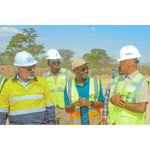
In another development, Dr Nchemba said the government would continue implementing development projects in Bahi covering water, health, education, irrigation, roads and bridges.
He also directed the Deputy Minister responsible for Regional Administration and Local Government (RALG) to follow up on development needs presented by district and regional leaders.
On electricity, he said settlements located between towns and villages but whose residents still live under predominantly rural conditions would continue to benefit from electricity connections at rates applicable to rural areas.