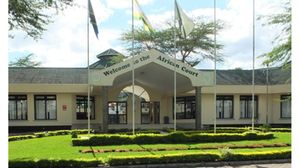
Arusha. The Legal and Human Rights Centre (LHRC) has filed a case at the East African Court of Justice (EACJ), challenging the Government’s decision to suspend internet services from October 29 to November 4, 2025.
The move plunged the nation into a week-long digital blackout during a critical election period.
Filed on December 3, 2025, as Reference No. 56/2025, the petition asks the regional court to declare that the shutdown violated Articles 6(d), 7(2) and 8(1)(c) of the 1999 East African Community (EAC) Treaty, which obligates partner states to uphold human rights, good governance, transparency, and accountability.
LHRC is also seeking an order preventing the Government from imposing future internet shutdowns without lawful justification or a valid court order.
The petition is being argued by LHRC legal counsel, Advocate Peter Majanjara and Advocate Jebra Kambole.
Speaking to reporters, Majanjara said the abrupt shutdown, which began at around 11 a.m. on October 29, crippled all communication services nationwide for seven consecutive days.
“The blackout had far-reaching economic and social repercussions, including the paralysis of online banking systems, disruptions to digital health services, and the loss of access to crucial information during the election period,” he said.
Majanjara added that the Government’s justification—that the shutdown was aimed at preventing violence—did not meet democratic standards, nor did it satisfy the principles of legality, necessity, and proportionality.
Following the filing, the Attorney General is expected to respond within 45 days after receiving the court documents from the EACJ Registrar.
The blackout coincided with a decisive election day for councillors, Members of Parliament, and the Presidency in both Mainland Tanzania and Zanzibar. It was imposed without prior notice and left the country digitally paralysed for a full week.
Government Spokesperson Gerson Msigwa said the shutdown aimed to curb online criminals allegedly spreading inflammatory content and inciting violent protests, which he said had resulted in several deaths, injuries, and significant property damage.