Tanzanian students call for capital punishment: ‘Hang FGM practitioners’
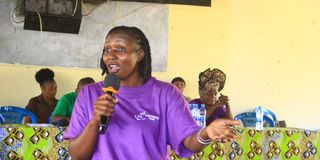
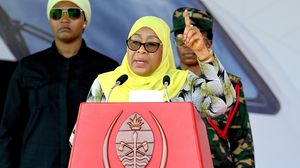
Grumeti Fund Human Resources Manager Amsi Nyambuche speaks on Monday, July 20, 2026, during a forum discussing challenges facing female students in communities surrounding the Grumeti and Ikorongo game reserves in Bunda and Serengeti districts, and ways of addressing them. PHOTO | BELDINA NYAKEKE
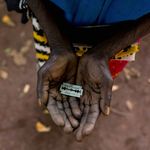
Serengeti. Female students from secondary schools surrounding the Grumeti and Ikorongo game reserves in Serengeti and Bunda districts want the government and stakeholders to enhance public education alongside introducing stricter penalties to eradicate gender-based violence, especially female genital mutilation (FGM), within their local communities.
They proposed laws prescribing death by hanging for anyone involved in FGM, including traditional practitioners, arguing such penalties would drastically reduce and eventually eliminate the vice.
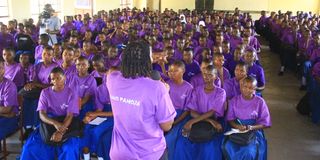
Their appeal was made during a youth forum held in Serengeti District on Monday, July 20, 2026, where the schoolgirls discussed challenges affecting them and recommended practical long-term solutions.
They noted that despite regular awareness campaigns by the state and human rights organisations, the vice persists, continuously harming girls and denying many the opportunity to safely fulfil their distinct educational ambitions.
Mariwanda Secondary School Form Three student, Ms Fatuma Ramadhani, said the time is ripe for the government and human rights stakeholders to institute stringent measures against the retrogressive practice, which remains a massive barrier to the academic advancement of most local girls.
"Education campaigns must continue, particularly in rural areas where this problem remains widespread. However, alongside awareness efforts, the state should enforce harsher sentences. These perpetrators deserve the death penalty by hanging. Laws must be enacted to hang them," she said.
"If I were President, I would have them hanged, including traditional circumcisers, because these acts destroy the dreams of innocent girls. I believe executing a few would make others fear the consequences and abandon this practice altogether," she added.
Chief Sarota Secondary School Form Six student, Ms Abia Ryoba, stated that weak enforcement of existing laws heavily contributes to the persistence of FGM.
"You find culprits arrested for FGM, but no law is properly enforced. Instead, they are taken to gender desks and eventually released, after which they resume operations. I think Parliament must enact legislation clearly prescribing capital punishment for anyone performing FGM," she said.
She urged communities to abandon outdated customs and traditions that oppress girls, and instead uphold equal human rights for the progressive development of the wider nation.
Another student, Ms Magori Kaitira, dismissed beliefs that women cannot lead as outdated, noting that many have demonstrated exemplary leadership from grassroots to international levels.
Society, she noted, must support girls to become future leaders regardless of their gender.
Student Ms Minza Malongo stated that besides gender-based violence, girls face numerous structural obstacles preventing them from achieving goals, urging the government and development partners to provide lasting infrastructural solutions.
These include walking long distances to school, leading to missed lessons, and lack of study time due to heavy household chores.
She requested girls' hostels in every public secondary school to alleviate these challenges.
Grumeti Fund Education Officer, Ms Elizabeth Magoto, said the organisation consistently organises these annual forums to enable female students to discuss their challenges while equipping them with skills to succeed.
She noted the organisation has conducted such forums for 10 years, benefiting over 22,000 girls from communities surrounding the game reserves, with highly encouraging results already being registered.
Conspicuous among the achievements is a growing number of girls applying for higher education scholarships offered by the fund, including a sharp rise in science programme applications.
"We currently receive scholarship applications in a 50:50 ratio between girls and boys. More girls are also applying for science subjects than previously, when the ratio stood at 30:70, and most girls opted for arts programmes," she said.
Grumeti Fund Human Resources Manager Amsi Nyambuche pledged that the non-profit organization will continue organising the forums to empower girls to overcome ongoing challenges and fully realise their ambitions.
He added that the sessions provide students with invaluable opportunities to interact with professionals and role models who share their personal experiences of conquering structural obstacles.
"Girls in these local communities continue facing numerous challenges. That is why we are committed to empowering them to overcome barriers and fulfil their educational aspirations, because quality education remains the ultimate foundation of life," he said.