When conservation becomes a burden for local communities
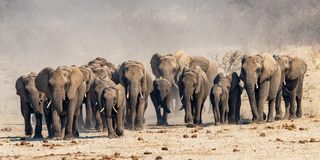
Soma residents in Serengeti District are grappling with a recurring problem of elephants entering their farms in large herds and destroying crops that families depend on for food and income. PHOTO | FILE
Serengeti. As Tanzania earns billions of shillings from growing tourist numbers and successful wildlife conservation, communities living around protected areas in Serengeti District, Mara Region, are paying another price for that success through crop destruction, livestock losses and threats to their safety.
An investigation by Mwananchi in Bokore, Nyanungu and Pakinyigoti villages found that rising wildlife populations, particularly elephants, have been accompanied by increasing incursions into farms and settlements, while mechanisms for addressing the resulting losses have failed to reach some victims promptly.
Residents say the problem recurs every farming season, with elephants sometimes entering farms in large herds and destroying crops that families depend on for food and income.
In Nyanungu, village chairman Chacha Mwikwabe says more than 500 acres have been destroyed by elephants since he was elected in 2019, while three people have been injured.
This year alone, he says, he has received reports of about 50 acres of farmland being destroyed.
“Last year, a herder was injured by an elephant. He was from Butiama, so I asked Grumeti Fund to provide a vehicle to take him back to his village,” he says.
The losses extend beyond crops. Mr Mwikwabe says about 120 livestock have been killed by hyenas and lions, which enter the village every year and threaten livestock keeping.
Thousands affected The complaints are reflected in Ministry of Natural Resources and Tourism data.
The ministry’s spokesperson, Emmanuel Buhohela, says it received 4,050 claims from residents of Serengeti District Council between 2021 and 2025 relating to wildlife incidents.
The claims came from 26 villages, including Bokore, Nyanungu, Pakinyigoti, Nyamatare, Robanda, Singisi and Uwanja wa Ndege.
Of the claimants, 3,001 submitted the information required for compensation, while 1,049 had yet to provide the necessary payment details.
Mr Buhohela says the ministry is working with the Serengeti District Council director’s office to encourage the remaining claimants to submit the required information.
For residents, however, the problem is not simply reporting damage. They also complain about the time taken to receive compensation and the amounts paid.
Nyanungu resident Juma Kirigiti says elephants and lions are the biggest threat, although their attacks follow different seasonal patterns.
He says lions enter settlements and attack livestock and sometimes people, in March and April, while elephants invade farms from May to July as farmers prepare to harvest.
“Since this month (June) began, they have been here every day. They start coming towards the end of May and continue through June and July. Those months are particularly difficult for us,” he says.
Daniel Festo, another Nyanungu resident, says elephants have invaded his farm three times.
“This is the third time they have entered my farm. I suffer major losses because the crops I expected to harvest are destroyed by elephants,” he says.
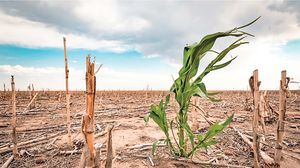
In Bokore, Nyigoti hamlet chairman Lameck Joseph says he has received reports of 130 acres of maize, 50 acres of sorghum and 20 acres of beans being destroyed by wildlife.
Last year, he says, two residents were injured by elephants, while follow-up measures, including damage assessments required for compensation, stalled.
Traditional methods fail Residents say the size of elephant herds is one reason traditional methods of driving them away are increasingly ineffective.
“When harvest time comes, elephants arrive in large herds of 20, 50 or even 100. Our traditional methods of protecting ourselves simply cannot cope,” says Bokore resident Petro Buyunge.
Pakinyigoti resident Issa Abdalah says people use torches, motorcycles and noise to drive elephants away, but the animals often destroy crops before they can be stopped.
Security companies Grumeti and Ikolongo also assist in driving away elephants, he says, but the animals often appear at night and disappear during the day.
Wildlife populations rise Conservation data helps explain the growing pressure on communities bordering protected areas.
According to Tanzania’s 2023–2033 National Elephant Management and Action Plan, 11 aerial surveys conducted between 2018 and 2022 put the country’s elephant population at 56,425, up from 50,433 in 2015.
Serengeti has recorded a particularly significant increase. The survey found 7,061 elephants in Serengeti National Park, nearly double the 3,068 recorded in 2009.
Lion numbers have also increased. Natural Resources and Tourism Minister Dr Ashatu Kijaji told Parliament on June 22, 2026, during the 2026/27 Budget debate that Tanzania has Africa’s largest lion population, estimated at about 3,000.
She said this represented an increase of 40 to 50 percent from the estimated 2,000 to 2,200 lions recorded in the 1960s.
Dr Kijaji said the increase in wildlife populations had prompted the Government to plan a national discussion on how to address the challenge.
Tourism earnings surge The growth in wildlife numbers has coincided with rising tourism revenues, which increased from $3.9 billion (Sh10 trillion) in 2024 to $4.4 billion (Sh11.57 trillion) in 2025.
But communities bordering protected areas experience the tourism success differently, through destroyed crops, livestock losses and fears of wildlife attacks.
More than 70 percent of Serengeti District is protected land, including Serengeti National Park, Ikorongo and Grumeti Game Reserves and Ikona Wildlife Management Area.
This leaves communities living in an environment where settlements, farming and livestock keeping directly overlap with wildlife habitats.
Residents acknowledge that the Government conducts patrols and responds to wildlife incursions but say resources are inadequate for the scale of the problem.
Mr Buyunge says wildlife authorities and other stakeholders struggle to respond to incidents across many villages simultaneously.
“The Government and other stakeholders protecting elephants, including WMAs, cannot always arrive on time because they have many villages to serve. As a result, elephants cause extensive damage before they are brought under control,” he says.
He says the Government needs to find sustainable ways of protecting residents as wildlife increasingly ventures into settlements.
For affected communities, the challenge is therefore not simply how to conserve wildlife, but how to ensure that the economic benefits of conservation do not come at the expense of the people living closest to it.
Register to begin your journey to our premium contentSubscribe for full access to premium content