Women silently carrying the burden of climate change
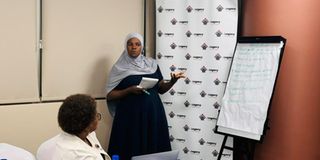
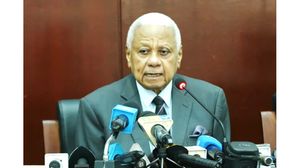
Ward Executive Officer of Majohe, Hadija Sudi, presenting during a meeting to introduce the Miale ya Kijani project, which aims to explain how women are coping with the impacts of climate change.
Dar es Salaam. As the impacts of climate change continue to affect communities across Tanzania, women are increasingly bearing the greatest burden, even as their contributions and experiences remain largely overlooked in policy discussions and development planning.
In many communities, women are responsible for tasks that rely heavily on natural resources, including fetching water, collecting firewood, and ensuring that their families have sufficient food.
As climate change disrupts rainfall patterns and reduces the availability of these resources, women are often the first to face the consequences.
Despite their central role in managing household resources and protecting the environment, public awareness of women’s contributions to addressing climate challenges remains limited.
In response to this gap, the organisation My Legacy has launched a new initiative that uses creativity and the arts to highlight women’s experiences in coping with climate change.
The project, known as Green Frames, will involve women in the production of short films that tell their real-life stories, highlighting the environmental challenges they face in their communities and the strategies they use to adapt.
Speaking on 30 March 2026, during the introduction of the project to local leaders from Kinondoni and Ilala municipalities, My Legacy Programme Coordinator, Amina Mtengeti, said the initiative aims to reshape existing narratives by placing women at the centre of climate discussions.
“Our goal is to change the narrative by allowing women to tell their own stories, explaining how climate change affects their lives and how they are responding to these challenges,” she said.
Ms Mtengeti said that the project also seeks to connect Tanzania’s growing creative industry with real-life community experiences, particularly in areas where the effects of climate change are becoming increasingly evident.
Through film screenings and community discussions to be held in various locations, the organisers hope to encourage broader public dialogue on the importance of collaboration between women and men in addressing climate challenges.
She further noted that bringing forward women’s voices and experiences from the grassroots level could influence how policies and development programmes are designed, ensuring that gender considerations are included in climate change responses.
The Executive Director of My Legacy, Fortunata Temu, said women are among the groups most affected by climate change due to the responsibilities they carry within households and communities.
She said that these impacts include limited access to safe water, an increase in disease outbreaks, and, in some cases, a rise in gender-based violence driven by economic and social pressures.
“We must recognise that climate change is a cross-cutting issue that is closely linked to gender. That is why we initiated this project—to listen to women and bring their voices into the climate change conversation,” she said.
Also speaking at the meeting, the Social Welfare Officer for Kunduchi Ward, Zawadi Mdeme, said the project provides an important opportunity for communities to better understand environmental challenges and the role women play in addressing them.
She said the initiative will give women a platform to share the challenges they face in their daily lives, as well as the strategies they use to cope with climate-related difficulties.
“In many communities, women are the ones who directly experience the challenges of water shortages and other essential resources. Projects like this help to highlight that reality and encourage communities to work together to find solutions,” she said.
Ms Mdeme said that the involvement of local leaders in implementing the project will help ensure the message reaches more people and strengthens collective efforts to address the impacts of climate change at the community level.