Every child deserves the best possible start in life, and that foundation begins in the earliest moments after birth. One of the greatest gifts a mother can give her child is to breastfeed, a natural practice that remains among the most powerful and cost-effective interventions for improving child survival, protecting maternal health and promoting long-term wellbeing.
As we commemorate World Breastfeeding Week, we are reminded that all stakeholders need to provide an enabling environment where families, communities, employers, healthcare providers and policymakers work together to support every mother to achieve her breastfeeding goals.
Under the theme, “Breastfeeding for a Sustainable Start in Life: Strengthen What Works,” strengthening breastfeeding is not only an investment in individual families but also in our future health, productivity, environment and sustainable development.
The World Health Organisation (WHO) recommends that every newborn should be breastfed within one hour of birth, receive only breast milk for the first six months of life, and continue breastfeeding alongside complementary foods until at least two years of age.
These recommendations are grounded in decades of scientific evidence demonstrating that early and sustained breastfeeding gives children the strongest foundation for healthy growth and development.
Breastmilk is nature’s first vaccine and the ideal source of newborn nutrition. It contains the precise balance of nutrients a baby needs during the first six months of life while providing antibodies and other protective factors that strengthen the immune system and guard against common childhood infections as well as chronic diseases.
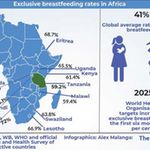
According to the Demographic and Health Survey, 2022, Tanzania has made significant progress in exclusive breastfeeding, with national rates increasing from 41 percent in 2005 to 64 percent in 2022.
However, this national average masks substantial regional disparities, as some local studies in Tanzania report exclusive breastfeeding rates as low as 20–30 percent, underscoring persistent inequities and the need for targeted interventions to ensure that mothers do not face significant barriers that prevent them from giving their babies the best start in life.
Evidence shows that single mothers are less likely to exclusively breastfeed, while among women living with HIV, unemployment is associated with lower breastfeeding rates. These findings highlight the need for targeted support to ensure that all mothers, regardless of their circumstances, can successfully breastfeed their infants.
The evidence also reveals significant knowledge gaps. Most breastfeeding studies in Tanzania have been conducted in the northern part of the country, leaving many regions underrepresented and limiting understanding of how cultural, social, and economic factors influence breastfeeding practices nationwide.
To accelerate progress towards global breastfeeding targets, Tanzania’s Ministry of Health and other key stakeholders should implement the following interventions:
Firstly, strengthen support programmes for vulnerable mothers, including adolescents, single parents, and those living in poverty, who face the greatest barriers to exclusive breastfeeding. They often lack information, family support, and access to healthcare. By creating dedicated programmes that offer home visits, peer counselling, and nutritional support, we can ensure that the mothers who need help most are not left behind.
Secondly, provide consistent and culturally appropriate counselling during antenatal care. Counselling that is regular, clear, and respectful of local traditions can build a mother’s confidence long before her baby arrives. When health workers take time to listen, address fears, and explain the benefits of breastfeeding in a way that resonates with a mother’s culture, she is far more likely to breastfeed exclusively and successfully.
Thirdly, expand community support networks, such as mother-to-mother support groups, trained community health workers, and local breastfeeding champions who can provide encouragement, practical tips, and a sense of belonging. When a mother knows she is not alone and has someone to call for help, she is more likely to persist through challenges.
Fourthly, implement flexible work schedules and family-friendly workplace policies for working mothers. Many working mothers are forced to stop breastfeeding early because they cannot balance their jobs with their baby’s needs. Flexible hours, longer maternity leave, paid breaks for expressing milk, and access to clean spaces for breastfeeding or pumping can make all the difference.
Finally, we must invest in research across all regions of the country. Tanzania is a diverse country, and what works in Dar es Salaam may not work in rural Rukwa or coastal Tanga. Without local data, we cannot design policies that truly work for every community.
Dr Mariam Noorani is an International Board Certified Lactation Consultant and the Chair, Department of Paediatrics & Child Health, Aga Khan University Medical College, Dar es Salaam Campus.