Journalism in the age of WhatsApp: Who checks the information we forward?

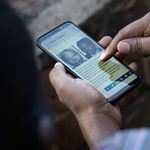
There is a familiar ritual in many homes and workplaces today. A message arrives on WhatsApp. It may contain a photograph, a voice note, a government announcement, a dramatic health claim, a political allegation or breaking news. We read it, perhaps react with surprise, and then press “Forward.”

Within seconds, information that has not been verified can move from one person to dozens of others, then into several groups, and eventually reach thousands of people. The uncomfortable question is: who checked it before we forwarded it?

WhatsApp has transformed communication by making information immediate, personal and remarkably easy to distribute. But the same convenience has created a new challenge for journalism: news no longer reaches citizens only through newsrooms. Increasingly, it reaches them through friends, relatives, colleagues, community groups and influencers.

This is part of a much larger transformation in news consumption. The Reuters Institute’s 2026 Digital News Report, covering 48 markets and almost 100,000 respondents, found that social media and video networks are now the most widely used sources of news globally, with 54 percent using them for news each week. When AI chatbots are included, the figure rises to 56 percent. The significance is not simply that people are using their phones more. It is that the traditional relationship between journalist, publisher and audience is being rearranged.

A newspaper editor once decided which story deserved the front page. A television editor determined what led the evening bulletin. Today, a WhatsApp user can effectively become a distributor of information without having any newsroom, editorial policy or fact-checking process behind them.

And unlike a newspaper, WhatsApp messages often arrive with a layer of personal trust. If a story comes from a friend, family member, religious group, professional association or colleague, we may be more inclined to believe it because we trust the person who sent it.

That is where the danger begins. A false message does not need to convince everyone. It only needs to convince enough people to keep forwarding it.

The problem is particularly serious because misinformation can move faster than verification. By the time a credible news organisation checks a claim, interviews the relevant authorities and publishes the facts, the original falsehood may already have travelled through hundreds of WhatsApp groups.

The 2025 Reuters Institute report found that 58 percent of respondents globally were concerned about their ability to distinguish what is true from what is false online, with concern reaching 73 percent in Africa. Interestingly, the report also found that people do not necessarily consider messaging apps such as WhatsApp the greatest source of misinformation because information there is often shared within trusted groups. But that apparent trust can itself become part of the problem. A message does not become true simply because it comes from somebody we know.

This is why the role of journalism has become even more important.

Professional journalism provides something forwarding cannot: verification.

A responsible journalist asks: Who said this? What is the evidence? When did it happen? Can the claim be independently confirmed? What does the other side say? Is the photograph authentic? Is the video current? Has the information been taken out of context?

These questions may seem slow in an age obsessed with speed. But accuracy has never been a race. There is another emerging complication: artificial intelligence. AI can now produce convincing text, realistic images, manipulated audio and increasingly sophisticated video. This means the old instruction — “I saw the picture, so it must be true” — is becoming dangerously outdated.

The solution cannot simply be to tell people to stop using WhatsApp. That would be unrealistic. Messaging platforms are now embedded in everyday communication, business, education, community life and access to information.

Instead, society needs a stronger culture of verification. Before forwarding a dramatic claim, ask three simple questions:

Who is the original source?

Can I verify it from an independent and credible source? What harm could occur if this information is false? The second question is particularly important. The 2025 Reuters Institute research found that when people suspect information may be false, the largest proportion say they would first turn to trusted news organisations, official sources or fact-checkers rather than social media itself.

Media organisations therefore have an opportunity and a responsibility to become trusted verification points in this increasingly fragmented information environment.

But journalists must also adapt. It is no longer enough to publish a story and wait for audiences to find it. Newsrooms need to explain misinformation, debunk false claims quickly, use social platforms intelligently and teach audiences how to recognise unreliable information.

For citizens, the responsibility is equally important.

Forwarding is not neutral.

Every time we forward an unverified message, we become part of its distribution network. We may unintentionally damage someone’s reputation, create unnecessary panic, influence public opinion or contribute to a false narrative.

The smartphone has turned many of us into publishers.

That means media literacy is no longer only a responsibility for journalists and journalism schools. It is a civic responsibility for everyone.

In the age of WhatsApp, the most powerful fact-checking tool may not be sophisticated technology.

It may simply be the discipline to pause before pressing Forward.

Because not everything worth sharing is worth believing and not everything we receive deserves to be passed on.

Angel Navuri is a Media, Partnerships & Growth Strategist