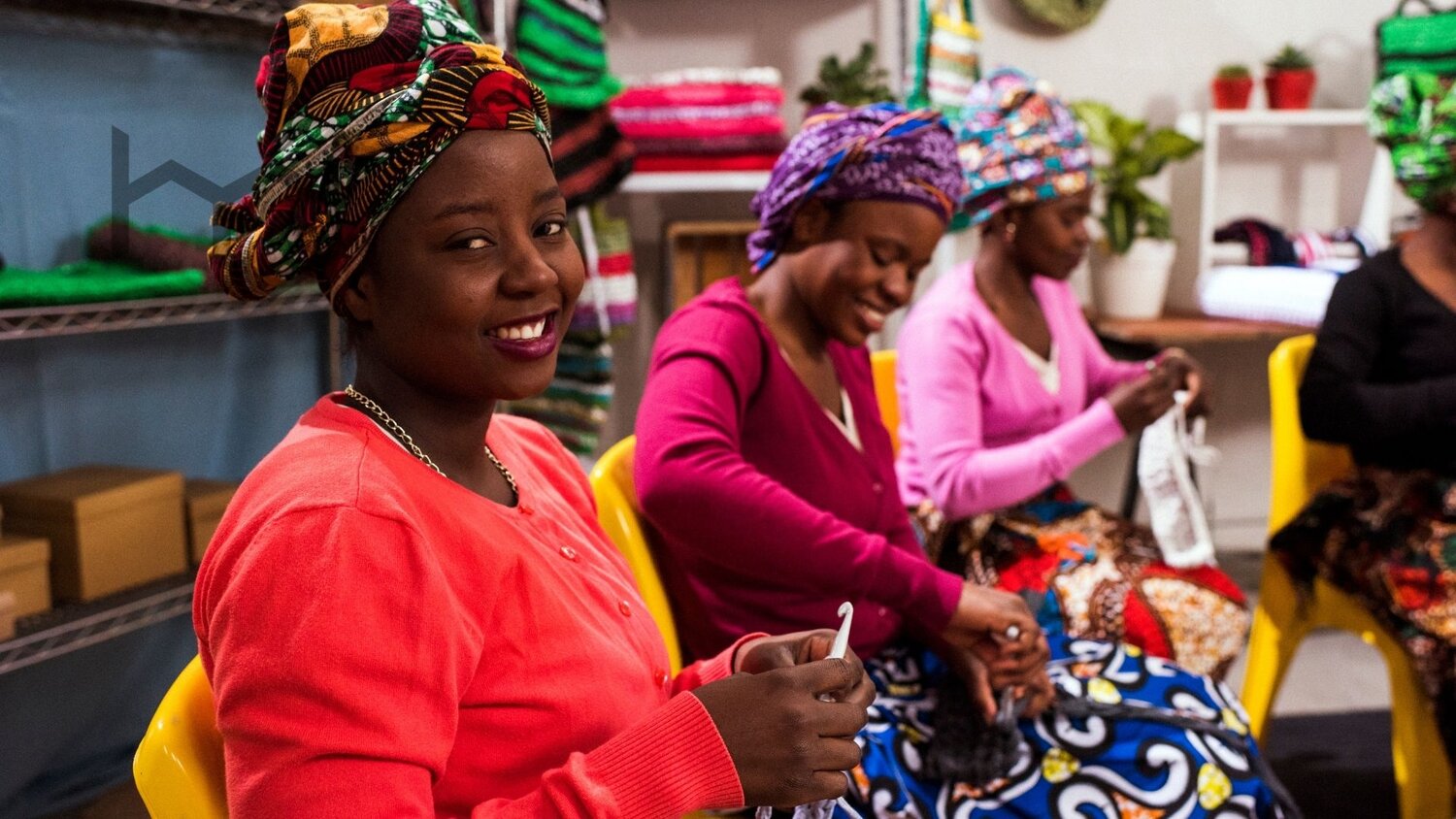
Women entrepreneurs are shaping Tanzania’s economy in visible and practical ways. Across the country, women are building businesses that feed families, create jobs, and sustain local markets. They operate food businesses, run service enterprises, manage farms, manufacture products, and increasingly participate in emerging sectors such as the green economy. Their contribution is visible in every region.
Tanzania’s startup ecosystem has matured into an important engine for economic resilience, with the number of active ventures reaching 1,041 in 2024 and collectively generating more than 138,000 jobs. This growth reflects the energy of a young population where nearly two thirds of citizens are under the age of 25. While the ecosystem is becoming increasingly inclusive, with female-led startups now representing more than 16 percent of the sector, the momentum remains fragile. About 70 percent of tracked ventures are still pre-revenue and more than 40 percent operate with less than four months of financial runway. This reality shows why structured enterprise development initiatives such as the Supplier Development Program and the Sustainability Academy are important in helping entrepreneurs strengthen governance, compliance and sustainability practices so they can compete in formal procurement systems and structured markets.
Yet many women entrepreneurs still face barriers that limit their ability to grow sustainable businesses. The challenge is rarely a lack of ambition or hard work. Instead, many women operate without the support systems needed to scale their businesses. Access to markets, professional networks, financial literacy, and business systems remain critical gaps.
This challenge is not unique to Tanzania. According to the World Bank, women entrepreneurs in Africa dominate the informal economy but often struggle to transition into structured businesses that can access larger markets and formal financial services.
Experience shows that capital alone does not solve this challenge. Sustainable business growth requires a strong foundation. Entrepreneurs must build systems, understand financial management, and position their enterprises to meet market and institutional requirements.
Addressing this gap is the focus of the Stanbic Biashara Incubator.
Over the past four years, the initiative has focused on helping women entrepreneurs move beyond participation and towards meaningful economic positioning. Our approach is based on a simple but important principle. True economic inclusion requires capability, systems readiness, and access to opportunity.
Our programs begin by strengthening the fundamentals of running a business. These include financial record keeping, governance, planning, and financial discipline. These foundations often determine whether an enterprise survives or grows into a sustainable operation.
From there we focus on building commercial capability. Sustainable businesses must understand pricing, manage cash flow, negotiate effectively with suppliers, and position themselves competitively within their markets. Through structured training, mentorship, and coaching, we encourage entrepreneurs to move beyond daily survival and begin thinking strategically about growth.
Often a single connection can transform the trajectory of a business.
The results of these efforts are encouraging. Over the past four years, our programs have reached more than 6,100 women entrepreneurs through economic inclusion and enterprise development initiatives. The RISE program alone has trained 3,191 Mama Lishe entrepreneurs, helping them strengthen financial literacy and business systems so they can participate more confidently in formal financial ecosystems. In addition, 450 women-led small and medium enterprises have been supported to transition towards environmentally sustainable enterprises, positioning them for opportunities emerging within the climate aligned economy.
These numbers represent more than participation. They reflect a growing pipeline of competitive, resilient and bankable women led businesses that contribute to stronger local supply chains and more inclusive economic growth.
The Supplier Development Program equips women and youth led businesses with the compliance and operational capacity needed to participate in corporate and public sector procurement systems.
The Sustainability Academy strengthens governance and sustainability practices, helping enterprises align with environmental, social and governance standards that increasingly influence investment and procurement decisions.
Through the Biashara and Ajira Kijani initiative, enterprise development is linked directly to opportunities within Tanzania’s green economy, allowing women and youth entrepreneurs to access climate aligned livelihoods and financing opportunities.
Meanwhile the RISE for Financial Inclusion program focuses on helping informal entrepreneurs transition into the formal financial system through improved literacy, governance and enterprise readiness.
When women entrepreneurs gain the tools, networks and opportunities they need, their businesses do far more than grow. Supporting women entrepreneurs is not a seasonal commitment. It is a long-term investment in Tanzania’s economic future. When women-led businesses grow stronger, entire communities grow with them.