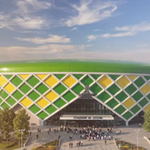
Why Yanga stadium project was delayed by land ownership issues

What you need to know:

Club president Hersi Said said when the current leadership took office, Yanga did not possess title deeds for its properties at Jangwani, Mafia and Kigamboni, creating a major obstacle in implementing the ambitious stadium plan
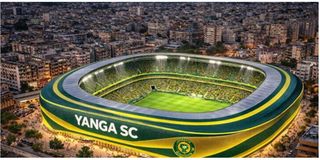
Dar es Salaam. Young Africans (Yanga) have revealed that unresolved land ownership issues were the main reason behind the delay of their long-awaited stadium project, with the club spending nearly three years addressing legal challenges before moving closer to construction.

Club president Hersi Said said when the current leadership took office, Yanga did not possess title deeds for its properties at Jangwani, Mafia and Kigamboni, creating a major obstacle in implementing the ambitious stadium plan.

According to Hersi, securing legal ownership documents became the administration’s priority because the project required a strong legal foundation before attracting investment and beginning construction.

“When we came into leadership, the club did not have title deeds for its properties at Jangwani, Mafia and Kigamboni. Much of our first three years was spent following up on these legal matters, and we can now confirm that the process has been completed with support from the government,” Hersi said.

The club president explained that resolving the ownership challenges was necessary to protect Yanga’s interests and ensure the stadium project was developed under a clear ownership structure.

With the legal process now completed, Hersi said the project has entered a new phase, with the remaining task being the establishment of a company that will be fully owned by Yanga.

Once the company is formed, the club will sign the final agreement with investment partner GSM to begin construction of the stadium. Under the proposed arrangement, Yanga and GSM will each hold a 50 percent stake in the project.

The planned stadium is expected to be a major milestone in Yanga’s transformation, giving the club a permanent home and opening new revenue opportunities through matchday activities, commercial operations and other sporting events.

The project has been one of Yanga’s biggest ambitions as the club seeks to strengthen its financial position and build modern infrastructure that matches its growing reputation in Tanzanian football.

Hersi said the leadership’s focus has been to first resolve the legal challenges before moving forward to avoid future disputes and ensure the stadium becomes a sustainable investment for generations of Yanga supporters.

After overcoming the land ownership hurdle, the club is now preparing to take the next step towards turning the long-standing stadium dream into reality.