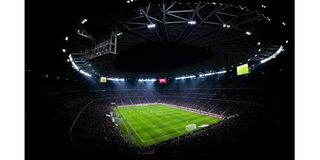
Dar es Salaam. As the 2026 FIFA World Cup enters its knockout stages, millions of Tanzanian football fans are sacrificing sleep to catch live matches from North America, with health experts warning that the month-long trend could affect productivity, mental wellbeing and road safety.
With Tanzania eight hours ahead of many World Cup host cities in the United States, Canada and Mexico, some of the tournament's biggest fixtures are kicking off well after midnight, forcing supporters to choose between sleep and football.
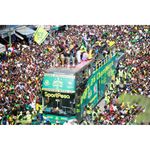
From Dar es Salaam and Arusha to Mwanza, Mbeya and Zanzibar, bars, restaurants and makeshift viewing centres have remained packed into the early hours as fans gather to watch their favourite teams. Others stay awake at home, glued to television screens or streaming matches on their mobile phones.
While the atmosphere has created a festival-like mood, doctors say repeatedly staying awake through the night comes at a cost.
Sleep specialists warn that even a few nights of inadequate sleep can reduce concentration, slow reaction times and weaken the body's immune system. For workers who report to the office early, drivers beginning their shifts before dawn and students attending morning classes, the effects can quickly accumulate.
The concern is particularly relevant in Tanzania, where many football enthusiasts balance demanding work schedules with an unwavering passion for the beautiful game.
Some employees admit they arrive at work exhausted after watching late-night clashes featuring global heavyweights such as Brazil, England, Argentina, France and Spain.
Coffee vendors have also noticed increased business in the mornings, with many customers looking for an energy boost after nights spent following the tournament.
Road safety experts are equally concerned, noting that fatigue can impair judgement in much the same way as alcohol. Commercial drivers, motorcyclists and long-distance bus operators are being urged to get adequate rest before taking to the roads.
Nutritionists also caution against the eating habits that often accompany overnight football viewing. Fried snacks, sugary drinks and energy beverages consumed in large quantities during late-night matches can contribute to weight gain, elevated blood pressure and other long-term health problems.
Despite the warnings, many supporters insist that the World Cup is a once-every-four-years spectacle worth losing sleep over.
For die-hard fans, especially those supporting English clubs during the domestic season, late-night football has become a familiar routine. Many say they will happily endure a few weeks of fatigue for the chance to witness football history unfold live.
Medical professionals, however, are encouraging fans to strike a balance. They advise supporters to take short naps where possible, remain hydrated, avoid excessive caffeine and alcohol, and prioritise sleep on nights when their favourite teams are not in action.
As excitement builds towards the quarter-finals, semi-finals and the final, one thing is certain: while the World Cup continues to unite Tanzanians through football, the greatest challenge for many supporters may not be picking the winning team, but staying awake the next day.