From silence to strength: How one girl in Tanga reclaimed her future
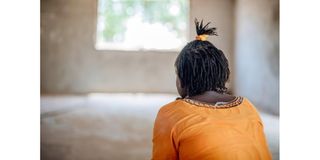
The acts of abuse caused Eliza to run away from home in search of safety.
On a warm afternoon in Tanga City, Eliza (not her real name) sits at a wooden table, flipping through a notebook filled with neat handwriting. Around her, the house is calm but lively. She moves easily between rooms helping with chores, greeting others and occasionally laughing with younger children.
“I do not feel inferior at all,” she says quietly. “I feel like that mother is the one who gave birth to me. I live well with her.”
It is a simple statement, but one that reflects a profound shift. Not long ago, Eliza struggled to speak or even smile. Today, she talks about her future with confidence.
“I just want to become a great chef. I want to own big hotels,” she says.
Her journey towards recovery began through a structured intervention under the Pamoja Tuwalinde Project part of the TangaYetu programme and implemented by TAYOTA. The initiative focuses on strengthening prevention and response to violence against children and adolescents through research, capacity building, coordination and community engagement.
Due to the abuse she was experiencing, Eliza preferred to spend most of her time alone.
A childhood disrupted
Eliza recalls enjoying school, particularly Kiswahili. But her education was frequently interrupted by responsibilities at home. Her mother sold fried fish, and after school Eliza spent hours washing dishes, cooking and caring for younger children, leaving little time for studies.
More troubling were the abuses she says began while she was in Standard Five. “His behaviour was mostly to abuse me,” she says. The man she refers to is not her biological father, but he had raised her from an early age.
She says she reported the situation several times, but nothing changed. Over time, she withdrew and began spending less time at home in search of safety.
Eventually, she ran away and reported the matter to a local street chairperson, who linked her with other community leaders. The case was later brought to the attention of TAYOTA’s Executive Director, George Bwire.
A coordinated response
According to Mr Bwire, the case reached them through a community whistleblower network established under the project.
“We received information from a chairperson in Mgwisha,” he explains. “We have trained individuals in each ward whose role is to provide confidential information on such cases.”
These include local leaders, youth representatives and residents trained to identify and report abuse. Because the system was already in place, the response was swift. Social welfare officers and police were immediately involved.
“When such incidents occur, we work with the police, who have the authority to make arrests,” he says.
Through the project, key actors including police officers, magistrates, health workers and journalists have received training to handle cases involving children with greater sensitivity and professionalism.
While formal procedures were underway, and with the approval of social welfare authorities, Eliza was temporarily placed under Mr Bwire’s care to ensure her immediate safety.
Household chores, including washing dishes and cooking, denied Eliza the opportunity to study on her own.
The path to healing
Rescue marked only the beginning of Eliza’s recovery. “After the medical examination, she cried a lot,” Mr Bwire recalls. She was referred to a trained counsellor for psychosocial support, while a religious leader from her community provided additional guidance.
“In the beginning, she could not even smile,” he says. “She avoided people and preferred to stay alone.” Over time, her condition improved.
“Now she is lively. She interacts well with others,” he adds.
Eliza remembers the moment she met those who helped her. “I felt good,” she says. “He has taken care of me well since I left there.”
Meanwhile, legal processes followed their course. After her parents reported her missing, she was able to identify the accused to authorities. The suspect was arrested and the case proceeded through the justice system.
Rebuilding a future
Beyond protection, efforts were made to restore Eliza’s opportunities. Having failed her Standard Seven examinations, she initially felt disconnected from formal education. However, she expressed interest in vocational training.
“I prefer to study cooking,” she says. Through support from the TangaYetu psychosocial fund, she enrolled at the Vocational Education and Training Authority (VETA) to pursue catering.
Her outlook has since changed significantly. “Maybe I can visit my mother, but I will not sleep there. I want to live freely on my own,” she says.
She also hopes to support others facing similar challenges. “I will help them too, just as I was helped,” she says.
A wider lesson
Eliza’s experience highlights the importance of coordinated systems in addressing violence against children.
Mr Bwire notes that challenges remain, including family pressure on victims to remain silent, delays in legal processes and logistical barriers.
However, initiatives such as Pamoja Tuwalinde continue to strengthen collaboration between social welfare officers, law enforcement and communities. Awareness campaigns are also helping families understand the importance of listening to children.
Eliza herself offers a simple message: “Parents should listen to their children when they speak.”
A life reclaimed
Today, Eliza spends time in the kitchen, practicing her cooking skills. She laughs more easily and engages confidently with those around her.
Her story reflects a broader goal: prevention where possible, timely intervention when needed, and sustained support to help survivors rebuild their lives with dignity.
The TangaYetu programme funded by Fondation Botnar and managed by INNOVEX Development Consulting Limited in collaboration with Tanga City Council aims to make Tanga a city where young people can thrive.