Tanzania pushes tech-driven customs reforms to improve trade flows
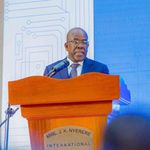
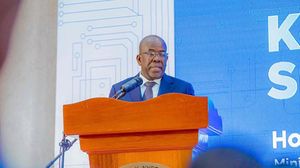
Finance Minister Ambassador Khamis Mussa Omar speaks on Thursday, May 14, 2026, during the opening of the Governing Council meeting of the World Customs Organization East and Southern Africa (WCO ESA), held in Unguja, Zanzibar. PHOTO | JESSE MIKOFU
Josephine Christopher is a senior business journalist for The Citizen and Mwananchi newspapers
Mwananchi Communications Limitted
Dar es Salaam. Finance Minister Khamis Mussa Omar has called for accelerated digital customs reforms and stronger regional cooperation as African economies face increasing pressure to modernize their trade systems, enhance border security, and facilitate cross-border commerce.
The minister stated that rapid changes in global trade, driven by artificial intelligence (AI), e-commerce expansion, and emerging security risks, are reshaping the role of customs authorities and increasing the need for technology-driven systems.
“The world continues to experience major changes in international trade driven by technology, artificial intelligence, online commerce and security challenges,” Mr Omar said.
He said customs administrations are now expected not only to collect revenue but also to support legitimate trade flows, strengthen supply chain security and improve the efficiency of cross-border transactions.
Mr Omar made the remarks on Thursday, May 14, 2026 during the official opening of the 32nd Governing Council Meeting of the World Customs Organization East and Southern Africa (WCO ESA) region in Zanzibar.
The meeting has brought together customs commissioners, policymakers and delegates from 24 member states to discuss digital transformation, trade facilitation, border security and regional cooperation.
According to the minister, Tanzania has a long-standing history in customs administration within East Africa, dating back to 1896 when some of the earliest customs systems in the region were established.
He emphasised the importance of strengthening cooperation among member states through modern digital systems, risk management frameworks and non-intrusive cargo inspection technologies to improve efficiency at border points.
The discussions come as governments across Africa intensify efforts to improve customs efficiency under the African Continental Free Trade Area (AfCFTA), which seeks to increase intra-African trade and reduce trade barriers across the continent.
Tanzania Revenue Authority (TRA) Commissioner General Yusuph Juma Mwenda said TRA has continued investing in digital customs infrastructure and integrated cargo management systems to simplify trade procedures and improve operational efficiency.
Mr Mwenda said the authority has also expanded customs services through single-window clearance systems designed to reduce delays and improve transparency in cargo processing.
“We have continued implementing reforms aimed at improving efficiency, transparency and trade facilitation through digital customs systems,” he said.
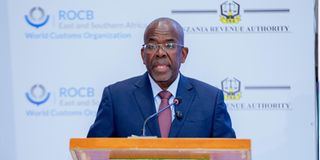
Tanzania Revenue Authority (TRA) Commissioner General Yusuph Mwenda at the World Customs Organization East and Southern Africa (WCO ESA) meeting. PHOTO | COURTESY
Analysts say efficient customs administration has become increasingly important for countries seeking to position themselves as regional logistics and investment hubs, particularly as supply chains become more digitised and trade volumes continue growing.
Industry experts note that inefficient customs procedures remain among the major contributors to high trade costs across Africa, affecting business competitiveness and slowing regional integration efforts.
The meeting is also expected to strengthen collaboration among member states in combating smuggling, counterfeit trade and other forms of illicit cross-border activities that continue to undermine government revenues.
For Tanzania, hosting the WCO ESA meeting reinforces the country’s ambition to position itself as a regional trade gateway through investments in ports, railways and logistics infrastructure.
Delegates are expected to continue technical discussions on customs modernisation strategies and policy coordination throughout the meeting.