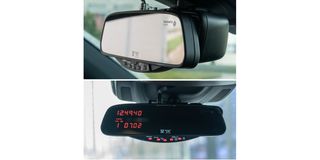
Unguja. Zanzibar is set to introduce a modern taxi metering and payment solution aimed at improving fare transparency, enhancing visitor experience and supporting the formalisation of the islands’ growing tourism transport sector.
The initiative, currently being developed in collaboration with the Zanzibar Revenue Authority (ZRA), Zanzibar Commission for Tourism (ZCT) and a special purpose vehicle operating under PPS, seeks to establish standardised taxi fare systems across the islands through the installation of taxi meters and digital payment solutions.
The proposed system is expected to introduce fixed and transparent fare structures for taxis operating within Zanzibar, addressing long-standing concerns around inconsistent pricing, overcharging complaints and cash-handling inefficiencies affecting both residents and international visitors.
Stakeholders involved in the discussions say the project aligns closely with Zanzibar’s broader efforts to modernise tourism infrastructure and improve service standards as the islands continue attracting growing numbers of international tourists and investors.
The initiative is also expected to strengthen revenue transparency, improve tax compliance and support the formalisation of transport services operating within Zanzibar’s tourism economy.
Officials familiar with the discussions say the proposal is being positioned not only as a transport reform programme, but also as part of Zanzibar’s wider ambition to align its tourism ecosystem with international hospitality and mobility standards.
Under the proposed framework, taxis operating across Zanzibar would gradually adopt regulated metering systems integrated with digital payment capabilities designed to provide passengers with clearer pricing structures and safer transaction processes.
The system is expected to benefit multiple stakeholders across the tourism and transport value chain.
For tourists and residents, the initiative is intended to improve trust, predictability and convenience when accessing taxi services.
For drivers and operators, stakeholders say the programme could help create more structured business operations, improved accountability and access to formal financial systems.
Government institutions are also expected to benefit from improved revenue monitoring and stronger oversight within the sector.
Industry observers say the move reflects a broader trend among tourism-dependent destinations seeking to modernise transport systems and improve visitor confidence through technology-driven solutions.
Tourism sector stakeholders believe the introduction of standardised taxi systems could further strengthen Zanzibar’s competitiveness against other international tourism markets.
The initiative also comes at a time when the Revolutionary Government of Zanzibar continues pursuing reforms aimed at improving infrastructure, digitalisation and investment facilitation across key sectors of the economy.
Sources involved in the planning process say consultations with government agencies and sector stakeholders are ongoing, with the current phase focused on refining the operational structure, implementation framework and stakeholder responsibilities.
The proposal is expected to outline how the system will operate, including payment mechanisms, technology integration, fare structures, implementation timelines and institutional partnerships.
Stakeholders say the collaborative approach is intended to ensure the initiative aligns with national tourism priorities while addressing practical operational realities within the transport sector.
Once implemented, the programme is expected to contribute toward a more organised, transparent and technology-enabled transport ecosystem capable of supporting Zanzibar’s rapidly expanding tourism industry.