Unguja. The Zanzibar Government has stepped up preparations for El Niño rains, urging residents living in high-risk areas to begin relocating before the rains intensify.
The measures, particularly in the Urban West Region, which is among the areas most affected by disasters, include identifying vulnerable shehias, establishing a system to track rescue equipment and engaging various groups in preparedness and public awareness campaigns.
The preparations were outlined on Sunday, August 30, 2026, during a media briefing involving the Urban West Regional Commissioner, the Zanzibar Disaster Management Commission and the Stone Town Conservation and Development Authority.
The Executive Director of the Zanzibar Disaster Management Commission, Mr Makame Khatib Makame, said the commission had prepared a three-level emergency response plan.
The first is the normal situation, in which rainfall occurs without causing major disruption. During this phase, authorities are continuing with campaigns to clear drainage systems and inspect high-risk areas.
The second involves an anticipated situation in which flooding could affect business areas, schools and roads. Mr Makame said temporary shelters had already been identified.
“In the worst-case scenario, major impacts could disrupt economic and tourism activities. Emergency centres have therefore already been prepared,” he said.
He said early preparedness, monitoring weather information, environmental cleanliness and compliance with instructions from authorities were critical to reducing the impact of heavy rains.
“These measures will help protect people’s lives, property and the environment, while maintaining peace and stability and contributing to the growth of Zanzibar’s economy and the country as a whole,” he said.
Director of the Zanzibar Disaster Management Commission, Makame Khatib Makame, demonstrates measures being taken to address disasters in Zanzibar. PHOTO|JESSE MIKOFU.
The expected El Niño rains are forecast to be stronger than in previous years due to rising sea surface temperatures in the Pacific Ocean.
Weather data as of August 9, 2026, showed sea temperatures had reached 3.6 degrees Celsius, a level described by officials as significantly higher than those associated with previous major flooding episodes in 1997/98 and 2017.
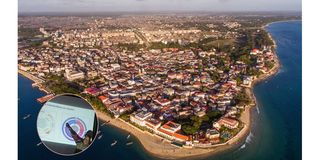
Mr Makame warned that Stone Town was particularly vulnerable, with 105 buildings identified as being in risky condition, some of which may not withstand heavy rainfall.
“When water enters buildings constructed with lime and stone, the damage can be significant,” he said, stressing that protecting human life remained the top priority.
“Property can be replaced, but life cannot,” he said.
He urged residents living in high-risk areas and low-lying locations to relocate before the rains begin, while municipal directors and district leaders should ensure drainage systems are cleared and rescue resources are ready.
“We are telling people that the snake is coming; we should not say, ‘let it pass’. We must take precautions before the danger arrives,” he said.
The Government also plans to issue warnings through SMS, radio and television to reach as many people as possible.
Meanwhile, the Director of Education, Research and Investment, Ms Asha Ali Hassan, said an assessment had identified 105 buildings in Stone Town as being in a state of deterioration.
Of these, 27 were found to be in particularly poor condition and require urgent safety measures.
She said water was the main factor contributing to the deterioration of the historic buildings, particularly water entering through roofs and damaged drainage systems.
Ms Asha said 15 buildings had already been assessed and proposed for development funding, with repairs expected to be undertaken during the 2026/27 financial year. However, she said urgent measures were still required.
The commission’s Information Technology Officer, Mr Yussuf Said Yussuf, said 75 shehias in the Urban West Region had been identified as being at risk of being affected by the disaster.
“Thirty-two shehias are in Urban District, 27 in West A and 16 in West B,” he said.
He stressed the need to strengthen communication and emergency coordination among regional and district offices, Stone Town authorities, municipal councils, shehas, the police, the fire and rescue brigade and other institutions.
Urban West Regional Commissioner Moh'd Ali Abdalla said journalists had an important role to play in ensuring weather information and disaster warnings reached residents promptly and in simple, understandable language.
“Use your platforms to educate residents about areas requiring greater caution, measures to take before, during and after the rains, and the importance of following official information issued by the relevant authorities,” he said.
He said through shehas in the affected areas, residents living in high-risk locations would be issued with letters advising them to leave their homes and seek shelter with relatives and friends during the period of heightened risk.