Dodoma. Bank of Africa (BoA) Tanzania has welcomed the government’s Sh62.3 trillion budget for the 2026/27 financial year, saying it is expected to stimulate business activity and support economic growth.
Acting Managing Director of BoA Tanzania, Wasia Mushi said the budget’s emphasis on digital payment transformation and support for small and medium-sized enterprises (SMEs) reflects broader efforts to accelerate economic growth in line with Tanzania’s Vision 2050 development agenda.
He said the bank remains committed to improving services across all customer segments, including individual clients, SMEs and large corporations, in support of the government’s financial inclusion agenda.
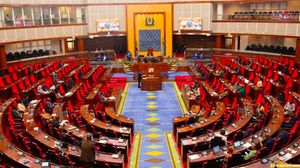
Mr Mushi made the remarks after Finance Minister Khamis Mussa Omar presented the budget in Parliament, which he attended alongside the bank’s Chief Finance Officer, Stivin Mwanjibili.
According to Mr Mushi, the spending plan is expected to create a more favourable environment for investors and businesses while strengthening their contribution to Gross Domestic Product (GDP).
“The increasing participation of the private sector in investment and business activities is a sign that the Sixth Phase Government is committed to driving reforms and promoting an inclusive economy for Tanzanians,” he said.
The bank also welcomed measures aimed at improving the business environment, including reducing bureaucracy, reforming taxation and eliminating overlapping responsibilities among public institutions.
Mr Mushi said major infrastructure projects, including the Standard Gauge Railway (SGR), roads and energy investments, would help create business opportunities and support economic activity.
Among relief measures introduced in the budget, newly registered businesses will benefit from a 12-month income tax holiday, while VAT deferment on imported capital goods has been made permanent to improve liquidity and encourage industrial investment.
Agriculture also remains a key focus, with continued VAT exemptions on locally produced edible oil and subsidies for sunflower and cotton farmers.
Over the next five years, the government plans to distribute two million seedlings annually to increase domestic oilseed production.
The budget also places greater emphasis on accelerating Tanzania’s transition to a cash-lite economy.
According to Mr Omar, transactions processed through the Tanzania Instant Payment System (TIPS) rose to 651 million worth Sh54.95 trillion in 2025, up from 453 million transactions valued at Sh29.82 trillion in 2024.