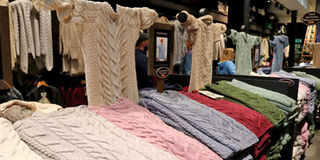
Iringa/Njombe/Mbeya. The cold season has brought a welcome boost for traders selling warm clothing in the Southern Highlands, with rising demand for sweaters, jackets, tracksuits and socks as residents seek protection from falling temperatures.
The regions of Iringa, Njombe and Mbeya have witnessed increased sales since the cold weather began earlier than usual in April and continued through July, creating a peak business period for traders dealing in winter wear.
In Iringa Municipality, traders said customer numbers have increased significantly as families purchase warm clothing for both children and adults.
A trader at Magari Mabovu area, Neema Mhando, said this year's cold season started earlier than previous years, when the lowest temperatures were usually experienced from June.
"Indeed, the cold season started in April 2026, much earlier than usual. We are now in the peak business period, although the cold is normally at its worst in June," she said.
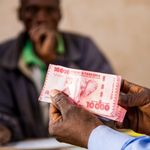
She said sweaters for children and adults are currently selling between Sh5,000 and Sh25,000 depending on quality, material and size.
Another trader, Juma Mkwawa, said demand for warm clothing is usually low during hot months, forcing traders to reduce prices to clear their stocks.
"A sweater that sells for Sh20,000 during the cold season can go for as little as Sh2,000 during warmer months," he said.
However, traders said the current season has improved their earnings despite challenges such as rising transport costs and increased competition.
In Njombe, sellers of jackets, sweaters and socks also reported strong sales, with some saying prices have increased due to high demand.
Traders said jackets previously sold for about Sh15,000 are now fetching up to Sh25,000, while socks sell between Sh1,000 and Sh2,000. Thermal socks designed for colder weather cost between Sh4,500 and Sh5,500.
Jacket trader Sady Msemwa said the improved business had enabled him to increase his capital and save more money.
"I thank God because business is much better than before. I can now save money and increase my business capital," he said.
Residents said the harsh cold weather had left them with no choice but to buy warmer clothes despite rising prices.
Rehema Kalinga, an Iringa resident, said she bought sweaters earlier than usual because temperatures had dropped more than expected.
In Mbeya, the cold season has created opportunities for traders, especially women selling second-hand jackets and traditional wraps known as vikoi.
Some traders move around busy areas in Mbeya City, including public spaces and entertainment venues, to market their products directly to customers.
Second-hand jackets and sweaters are selling between Sh15,000 and Sh35,000, depending on quality, while ordinary sweaters cost between Sh5,000 and Sh7,000.
Trader Sabina John said prices rise sharply between June and July as demand increases.
"From January to April, prices are usually low, but once June and July arrive, prices rise sharply because of the season," she said.
She added that jackets sold in rural areas can fetch higher prices compared with urban markets due to increased demand and transport costs.
Meanwhile, health experts have advised residents to take precautions against cold-related illnesses.
Dr Fabian Mwasabwite of Sokoni Hospital in Iringa Municipality warned that children and the elderly were particularly vulnerable during cold weather due to weaker immune systems.
"Without proper protection, people can develop severe flu, coughs, fever and other respiratory illnesses," he said, advising residents to wear warm clothing, especially during early mornings and at night.
Despite challenges facing traders, the cold season remains their most profitable period, with increased demand helping many expand their businesses.
Written by Christina Thobias (Iringa), Seif Jumanne (Njombe) and Hawa Mathias (Mbeya)