It’s race against time for the strategic $1 billion Mkuju uranium project

Dar es Salaam. Tanzania’s ambitious quest to join the ranks of uranium-producing nations has entered a defining phase, as the long-delayed Mkuju River project edges closer to industrial production amid growing pressure to secure financing and meet critical regulatory milestones.

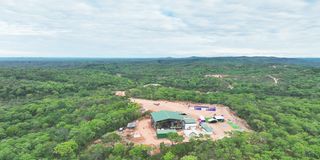
Valued at approximately $1 billion (Sh2.6 trillion), the uranium project in Namtumbo District, Ruvuma Region, is increasingly being viewed by both government officials and investors as one of the most strategically important mining ventures.

For nearly 13 years, the project remained largely dormant after a collapse in global uranium prices forced investors to shelve plans for commercial extraction despite extensive exploration work and regulatory approvals.

However, a combination of rising demand for nuclear energy, stronger uranium market fundamentals and renewed investor confidence has revived hopes that Tanzania could soon emerge as one of Africa’s newest uranium producers.

Yet even as preparations gather pace on the ground, the project faces a crucial challenge: securing long-term financing and advancing construction before the current special mining licence expires in April 2028.

Developers of the project, Mantra Tanzania Limited, a subsidiary of Uranium One Group under Russia’s Rosatom State Corporation, have acknowledged that the remaining duration of the licence has become a key consideration for some financial institutions assessing the project.

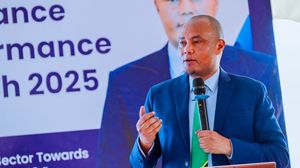
Speaking during a recent meeting with government officials in Dodoma, Mantra Tanzania chief executive officer Ilya Shchukin said the company was in the final stages of negotiating financing arrangements with Russian financial institutions as well as Tanzanian banks, including CRDB and NMB.

According to him, the company is seeking capital to finance construction of both the uranium mine and the large-scale processing plant expected to anchor industrial operations in Namtumbo.

“The challenge is that some financial institutions are hesitant to provide long-term loans when the licence is expected to expire in April 2028,” he said.

However, Mantra Tanzania says discussions with the lenders remain active and investor interest has not diminished.

Speaking with BusinessWeekly, the company’s Sustainability Manager, Mr Majani Moremi, said financing for the project was being structured in phases to support the approved work programme, including preparations for the construction of the main processing facilities.

He said the company was advancing discussions with a consortium of Russian and Tanzanian banks and had already reached preliminary agreements in that area.

“The project is viewed by the company and its shareholders as a long-term strategic investment for Tanzania, with priority placed on the consistent delivery of key milestones within the current licence period,” he said.

Despite concerns among some financiers, the government has moved to reassure investors that it remains fully committed to the project.

Deputy Minister for Minerals, Steven Kiruswa, said the government had no intention of revoking the company’s licence and urged Mantra Tanzania to accelerate preparations to ensure uranium production begins within the anticipated timeframe.

Dr Kiruswa said the project carries significant economic importance because of its potential contribution to employment, infrastructure development and industrial growth.

“This is a strategic project for the nation. Tanzanians are expecting to benefit from the economic opportunities that will come with its implementation,” he said.

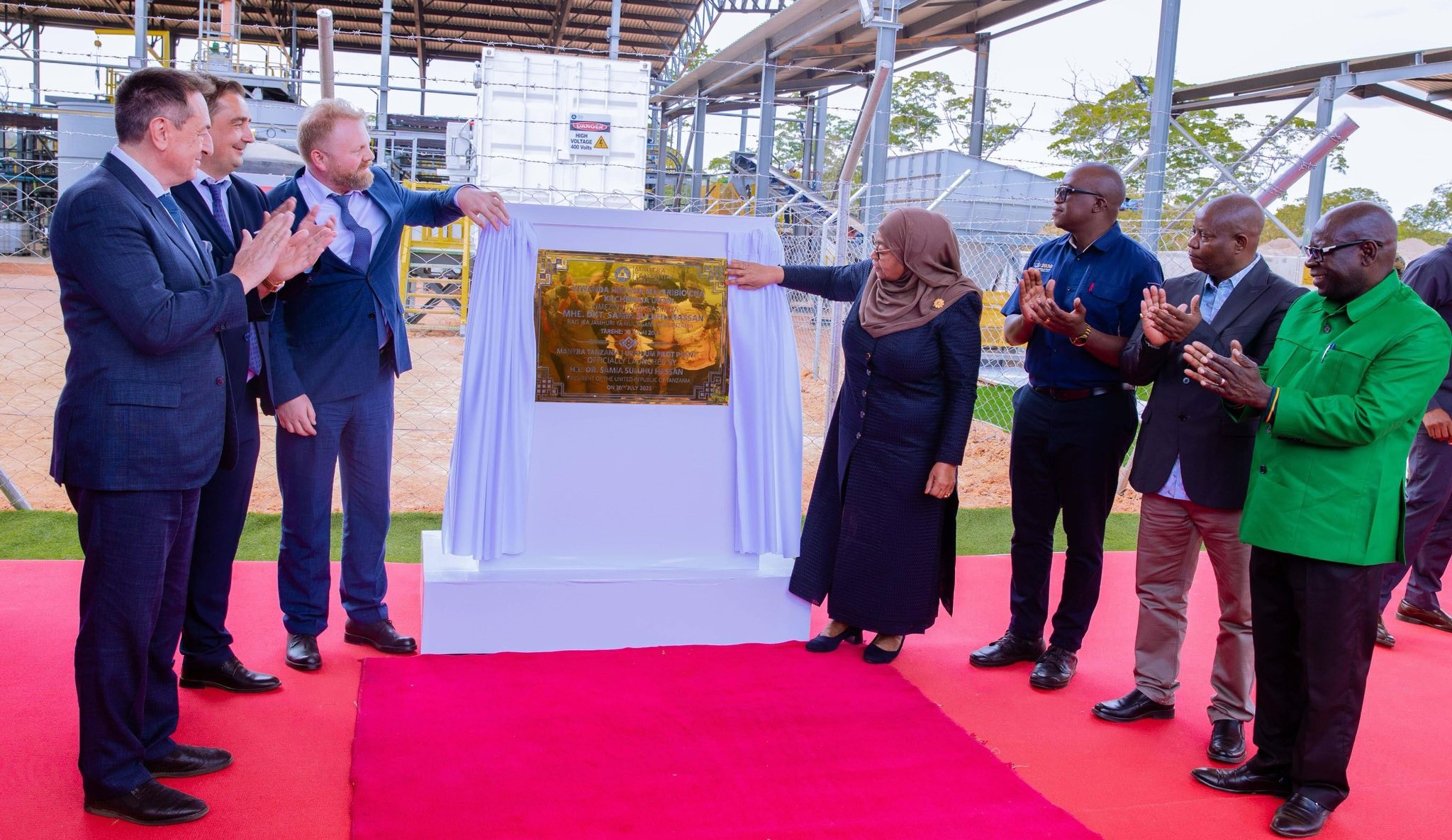
The renewed momentum surrounding the Mkuju River project follows the commissioning of a pilot uranium processing plant by President Samia Suluhu Hassan in July 2025, a milestone widely regarded as the most significant breakthrough since the deposit was discovered.

The pilot facility was established to test processing technologies under actual operating conditions while generating technical data needed to design the future industrial complex.

According to Mantra Tanzania, the pilot phase has already yielded encouraging results.

Mr Moremi said the pilot plant had enabled engineers to test technological solutions under real deposit conditions, helping to reduce risks associated with the design and construction of the main production facilities. He noted that confidence in the project had been strengthened by improved global uranium market conditions, geological exploration results confirming the deposit’s substantial resource potential and the successful implementation of the pilot phase.

“The pilot plant has produced positive results so far and has enabled the validation of key technological parameters needed for full-scale development,” he said.

The company’s implementation programme envisages a two-stage approach comprising the pilot phase and the construction of a main processing complex with a design capacity of 3,000 tonnes of uranium per year, scheduled for commissioning in 2029. To date, approximately 2,500 tonnes of ore have been mined and processed through the pilot facility, with more than 4,000 samples collected for analysis.

Construction preparations are already underway, including infrastructure works required to support future mining and processing operations.

The Mkuju River deposit is estimated to contain about 139 million tonnes of uranium ore and is expected to sustain operations for more than two decades.

Once operational, the project is projected to contribute more than one percent of Tanzania’s gross domestic product over the long term—a significant contribution for a single mining investment.

The government estimates indicate that more than 4,000 direct jobs could be created during operations, while more than 100,000 indirect employment opportunities may emerge through construction, transport, logistics and associated supply chains.

Mantra Tanzania estimates that at least 21,000 households in Namtumbo and neighbouring communities stand to benefit economically through various value-chain activities linked to the project.

Mr Moremi said workforce localisation remained one of the company’s long-term priorities.

“The project is intended not only to produce uranium but also to build local technical expertise and create sustainable economic opportunities for communities around the mine,” he said.

Beyond mining exports, discussions have also begun on the possibility of establishing a uranium-powered electricity generation facility in the future.

Although still at a preliminary stage, the proposal reflects Tanzania’s growing interest in diversifying its long-term energy mix as industrial demand for electricity continues to rise. If realised, such a development would place Tanzania among a small group of African countries exploring nuclear-related energy solutions.

Even so, the project continues to attract scrutiny from environmental groups because of its proximity to the Selous ecosystem.

In 2012, UNESCO approved Tanzania’s request to excise part of the protected area to allow uranium extraction activities, a decision that drew criticism from conservation organisations concerned about potential environmental impacts.

Mantra Tanzania insists the project complies with international environmental and radiation safety standards and says lessons learned during the pilot phase have strengthened environmental management plans ahead of commercial production.