Mchuchuma-Liganga project set to break ground by the end of the year

Dar es Salaam. Tanzania’s long-awaited Mchuchuma-Liganga iron ore and coal project has entered a critical phase, with several feasibility studies completed and the final assessment expected to be concluded next month.

This would pave the way for implementation agreements and construction to begin before the end of the year.

Unlike previous attempts to develop the multi-billion-dollar project, the latest approach has divided the undertaking into interconnected feasibility studies covering coal mining, power generation, iron ore and steel production, as well as supporting infrastructure.

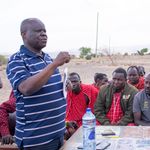
Director General of the National Development Corporation (NDC), Dr Nicolaus Shombe told The Citizen that some of the studies had been completed and were awaiting approval, while the final assessment focuses on technology for adding value to coking coal steel production.

“The feasibility study is a large and comprehensive exercise aimed at reassessing the project’s viability under current global and regional economic conditions,” Dr Shombe said. He said the studies were also assessing the steel market in Tanzania and in the region, infrastructure requirements, technology options and other factors needed to establish an integrated iron and steel industry.

The final study on technology for processing coking coal is expected to be officially completed on September 15, 2026, Dr Shombe said.

Its completion will pave the way for the signing of implementation agreements and a major groundbreaking ceremony before the end of the year, he added.

“Once we complete the studies and conclude the agreements, the next stage will be to move into implementation. The signing of the agreements will be an important step towards the actual construction of the project,” he said.

The groundbreaking ceremony is expected to mark the formal start of construction of the coal mine, steel plant and supporting infrastructure.

The project is being implemented by the government through NDC in partnership with Chinese state-owned Shudao Investment Group Company Limited (SDIG), the new investor after acquiring interests previously held by Sichuan Hongda Group.

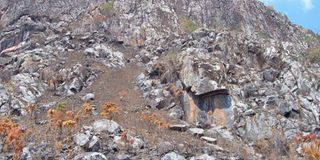
The renewed push follows years of delays surrounding the project, which was initially conceived as an integrated development of the Mchuchuma coal deposits and Liganga iron ore resources. The project comprises a coal mine at Mchuchuma, a 600-megawatt power plant, an iron ore mine and beneficiation facilities at Liganga, and a steel plant.

Government documents indicate that the integrated project is intended to support industrialisation by supplying electricity and locally produced iron and steel.

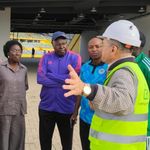
Dr Shombe said preparatory activities had already started at the project site as feasibility work continued.

“Preparatory work is already going on at the site. This includes clearing the site, establishing workers’ camps and warehouses, and drilling new exploration holes,” he said.

The activities, which began in February, are being carried out by a team of NDC experts stationed in the project area. The latest development marks a significant shift from earlier efforts to revive the project, which has been under discussion for more than a decade. In February, Dr Shombe told The Citizen that the feasibility review was intended to assess the project against current market conditions, technological developments and environmental standards.

He said the government and the new investor were also in the final stages of contractual discussions, with the agreements expected to pave the way for implementation.

Located in Ludewa District, Njombe Region, the project is estimated to cost about $3 billion and is expected to create more than 6,600 direct jobs and about 26,000 indirect jobs once fully implemented.

The government has also presented the project as a strategic industrial investment that could reduce Tanzania’s dependence on imported steel and strengthen domestic manufacturing by providing locally produced industrial raw materials.

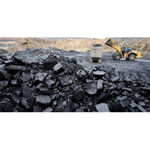
Earlier NDC studies identified about 428 million tonnes of coal at Mchuchuma and more than 126 million tonnes of iron ore at Liganga.

The planned development would also produce steel and other associated mineral products, including titanium and vanadium.

For the government, progress on the feasibility studies is intended to move the project beyond years of negotiations and preparatory work into actual construction and production.

Dr Shombe said the project remained one of the country’s strategic industrial programmes and that its implementation would represent an important step towards Tanzania’s long-term industrialisation ambitions.

“We expect to sign the contracts within this year, and this will be a major part of implementing Vision 2050, as the Liganga and Mchuchuma projects are two of the strategic programmes,” he said.