Josephine Christopher is a senior business journalist for The Citizen and Mwananchi newspapers
Mwananchi Communications Limitted
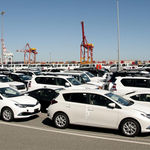
Dar es Salaam. Tanzania’s spending on imported household vehicles rose sharply in the first quarter of 2026, driven by strong demand for fuel-efficient cars as consumers respond to rising fuel costs and anticipated tax increases.
Data from the Bank of Tanzania show imports of motorcars for household use increased by 53.9 percent to Sh352.84 billion in March 2026, up from Sh229.3 billion in the first quarter of 2025.
The figure was also 77.8 percent higher than the Sh198.42 billion recorded in March 2024.
The figures, contained in the central bank’s Statistical Bulletin for the quarter ending March 2026, point to growing demand for private vehicles despite mounting economic pressures linked to fuel prices and living costs.
Car dealers say the market has undergone a noticeable shift over the past two years, with buyers increasingly preferring smaller vehicles that consume less fuel.
City car dealer, Rashid Mwengile, said high fuel prices have changed purchasing patterns, pushing consumers away from larger engine vehicles toward compact models such as the Toyota IST, Toyota Ractis, Mazda Demio, and Mazda Verissa.
“The industry is very active right now, but people are mostly importing small vehicles that consume less fuel,” he said.
“Many buyers are avoiding larger engine cars because fuel has become too expensive.”
According to him, the trend accelerated after sharp increases in fuel prices over the past year.
Data from the energy regulator show petrol prices in Dar es Salaam stood at Sh2,996 per litre in March 2025 before easing slightly to Sh2,864 per litre in March 2026.
However, following the Iran–US conflict and disruptions in global oil markets, prices surged to about Sh4,115 per litre this month.
Mr Mwengile said some buyers are also rushing to import vehicles ahead of expected tax adjustments in July, amid fears that import duties and registration costs could rise in the new financial year.
Another dealer, Patrick Mashili, said demand for Subaru vehicles has also grown significantly in the past two years, especially among younger urban motorists.
“Subaru has become extremely popular, alongside models like the Toyota IST, partly because of resale value and the availability of spare parts,” he said.
However, he noted that the increase in fuel prices has forced some motorists to reduce vehicle usage or temporarily park their cars to minimise operating expenses.
Mr Mashili said Japan remains Tanzania’s leading source of imported vehicles due to its large supply of affordable used cars, reliable quality and efficient export systems that favour Tanzanian dealers and consumers.
Meanwhile, the BoT bulletin also showed a sharp rise in imports of motorcycles and cycles fitted with auxiliary motors, underlining growing demand for alternative and relatively cheaper modes of transport.
Imports in that category increased by 68.9 percent to Sh137.32 billion in March 2026 from Sh81.29 billion in March 2025. Compared to March 2024, when imports stood at Sh85.4 billion, the latest figure represents a 60.8 percent rise.
Analysts say the increase in motorcycle imports reflects the rapid expansion of the boda boda transport sector, rising urban mobility needs, and growing preference for lower-cost transport options amid economic uncertainty.
The trend also highlights Tanzania’s increasing dependence on imported transport equipment as demand for mobility continues to rise across urban and semi-urban areas.
Register to begin your journey to our premium contentSubscribe for full access to premium content