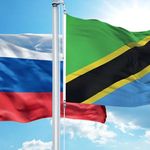
Dar es Salaam. Tanzania and Russia have launched a cooperation programme aimed at strengthening digital governance, supporting digital sovereignty and advancing Tanzania’s target of building a fully digital economy by 2034.
The partnership was outlined yesterday during the opening of the Spring Knowledge Sharing School of Governance 2026 in Dar es Salaam, where officials from both countries discussed collaboration in digital transformation, e-governance and digital public infrastructure.

Speaking at the event, Tanzania ICT Commission Director General Nkundwe Mwasaga said the cooperation framework includes the development of a joint ICT roadmap aligned with Tanzania’s Development Vision 2050.
Other areas of cooperation include the establishment of sector-based digital control rooms to monitor transformation indicators in real time and the organisation of an ICT workshop in Moscow.
Mr Mwasaga said the initiatives are expected to strengthen institutional cooperation and create opportunities for businesses and startups in both countries.
“We want to strengthen partnerships between startups, businesses and public institutions from both countries,” he said.
The programme has brought together Tanzanian government officials, private sector representatives, non-governmental organisations and Russian digital experts to exchange experience in digital governance, e-government systems and data-driven administration.
Mr Mwasaga said the initiative builds on a memorandum of understanding signed last year between the ICT Commission and Higher School of Economics.
He added that the programme supports Tanzania’s Digital Strategic Framework launched in 2024, which seeks to accelerate the country’s transition to a digital economy by 2034.
“The programme contributes expertise and knowledge needed to support the transformation agenda,” he said. Mr Mwasaga also said digital sovereignty remains an important issue for countries seeking greater control over data, digital infrastructure and online activities.
He noted that Tanzania’s data protection law forms part of wider efforts to strengthen governance in the digital space. The programme also features discussions on artificial intelligence, technological sovereignty in ICT and Russia’s experience in digital transformation.
Russian participants include representatives from information technology firms and public institutions who are expected to conduct workshops and case studies focusing on Tanzania’s public administration and business sectors.
The programme coordinator, Audrey Maslov, said the initiative aims to support African countries through technical cooperation and knowledge sharing.
Mr Maslov said the programme combines research activities, in-person training sessions, online knowledge platforms and partnerships involving more than 30 Russian organisations working in telecommunications, banking and digital infrastructure.
He said the initiative is intended to support African governments in implementing their own digital development priorities.
Mr Maslov also cited Tanzania’s progress in e-governance and digital administration as one of the factors behind hosting the programme in the country.
“This is the first time the initiative has been hosted in Africa,” he said.
Register to begin your journey to our premium contentSubscribe for full access to premium content